Rationale for Topic Selection
«I was born in Nizhny Tagil, an industrial city in the Urals. My childhood memories are stories of factories, tanks, military vehicles, and the sounds that accompanied the production processes. At the same time, regular trips to the forest, where silence and freedom enveloped me completely.»
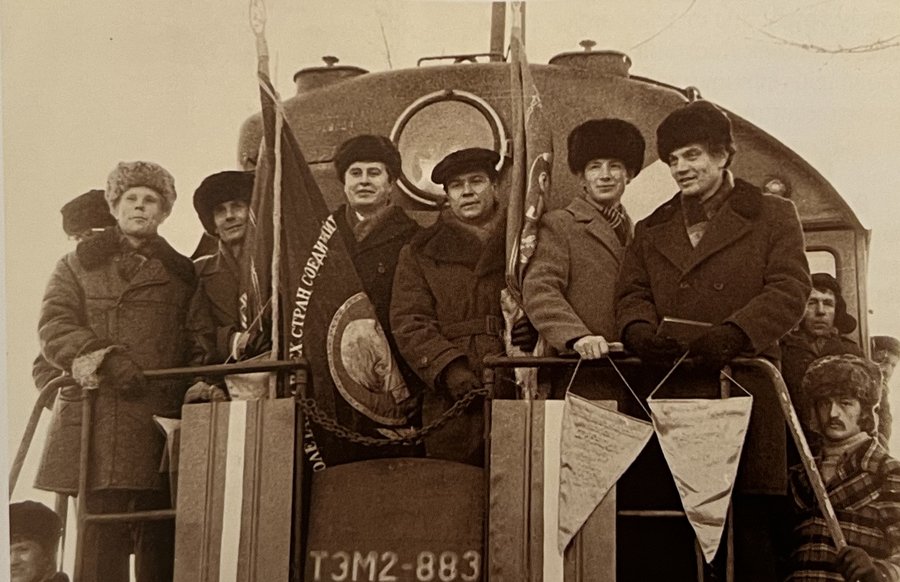
Photographs from a personal archive.
«For me, the Urals is a region of contrasts—of creative people whose industrial identity is transforming into art that helps them understand their place in the world.»
Diploma
A creative offline space dedicated to Ural culture
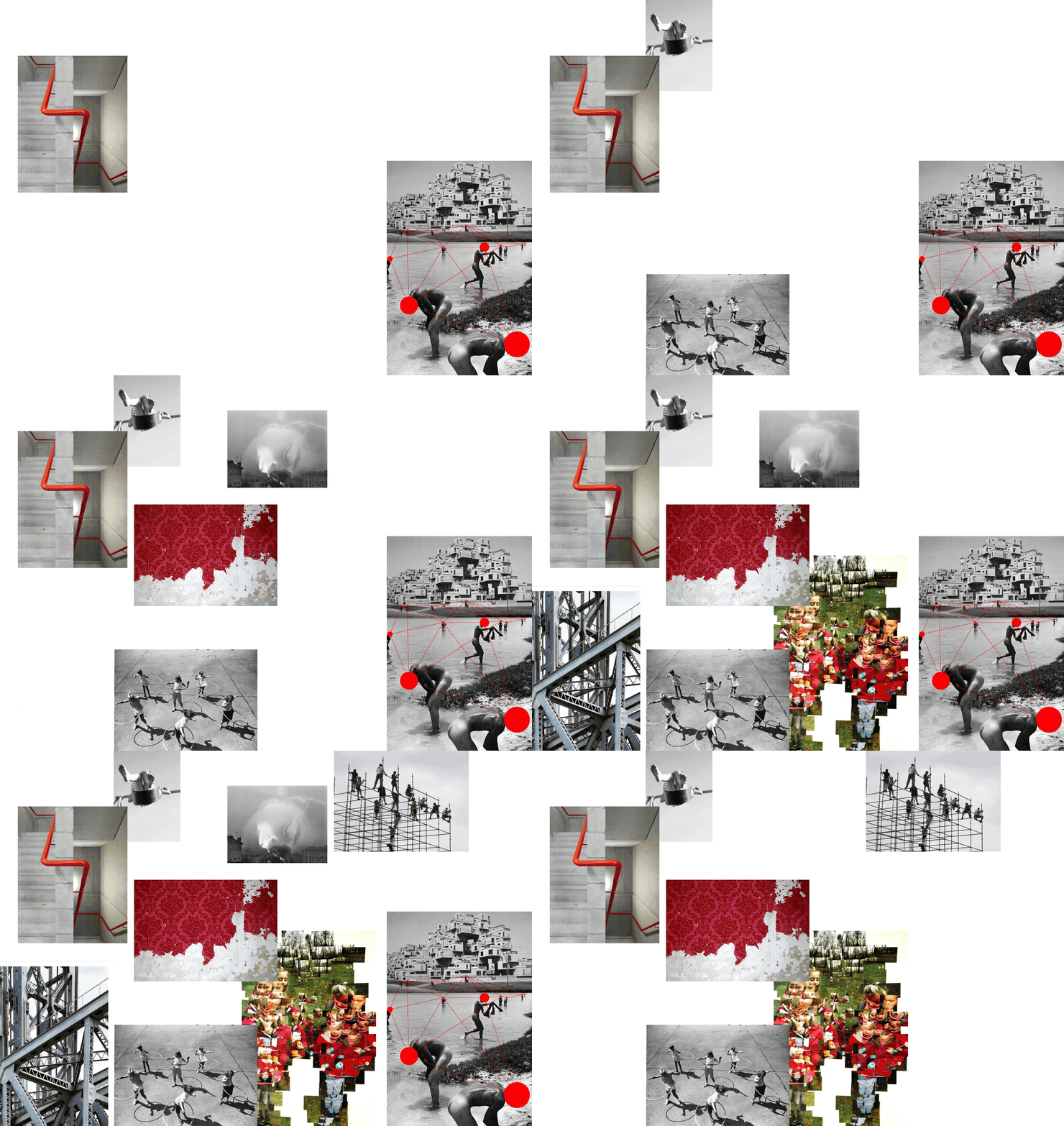
Moodboard.
A multi-format offline space where the past of the Urals meets the present, and traditions find new forms. Here, Ural identity is explored through art, fashion, design, lectures, exhibitions, and direct engagement. This is a place for those who don’t just want to know where they were born and live—but who they are.
Why?
(1) Domna (creative cluster in Ekaterinburg). (2) The Factory (creative cluster in Sysert).
In the Ural region, more and more former factories and industrial spaces are finding new life—they are becoming cultural hubs. People are increasingly keen to feel a connection to the places they inhabit, to discover their own history, and to find themselves within it.
Projects that bring people from the same region together help them rethink history, become part of a community, and recognize their identity—not through external influences, but through what is familiar and deeply rooted.
Who is this for?
(1) Creative individuals interested in local culture;
(2) Ural residents seeking a connection to their roots;
(3) Visitors eager to experience the local identity.
Visual Exploration
Industrial in Culture: Leisure Spaces Through the Lens of Factory Aesthetics
This research investigates the influence of industrialization on the formation of cultural and leisure spaces—such as community centers, sports palaces, resorts, theaters, and cinemas (spaces where workers went after their shifts)—from architecture to visual language. Factory aesthetics became the foundation for new forms of art, communication, and self-discovery. Today, this heritage is being reinterpreted, transforming the industrial into the cultural. Throughout the study, the focus will remain on the Urals as an industrial capital.
Moodboard.
Chapter 1: Industrialization as a Cultural Project: // On industrialization; // Industry—as the foundation for shaping a new person, not only industrious but also culturally developed; // The cult of labor vs. leisure; // The emergence of artistic styles (Social Realism, Constructivism); // The Urals—the capital of Constructivism and a center for industrial development.
Chapter 2: The Industrial in Architecture and Interior Design: // Architecture as a conduit for ideology: geometricism, functionality, and the use of industrial materials (concrete, glass, metal); // Constructivism as a symbol of discipline; // Resemblance to factory structures; // Mosaics, frescoes, and stained glass; // Sculptures; // Factory elements in interiors.
Chapter 3: The Industrial in Visual Communication and Design: // The poster as a vital medium: the visual language of industrialization; // Manual labor—the foundation of visual communication; // Typography, symbolism, and color.
Chapter 4: Contemporary Interpretation of the Industrial in Culture: // The factory as a platform for contemporary art (the «Night of Factories» Festival); // The factory as a venue for cultural events (Vinzavod, Sevkabely Port); // The Urals—a center for revitalizing factory sites: the development of creative clusters based in abandoned factories («At the Factory»), and the Ural Industrial Biennial of Contemporary Art.