Navigator:1. Media Goal Description 2. Future Media Topic 3. Competitors and Analysis 4. Distribution Channel 5. Target Audience Description 6. Unique Value Proposition (UVP)
OBJECTIVE DESCRIPTION
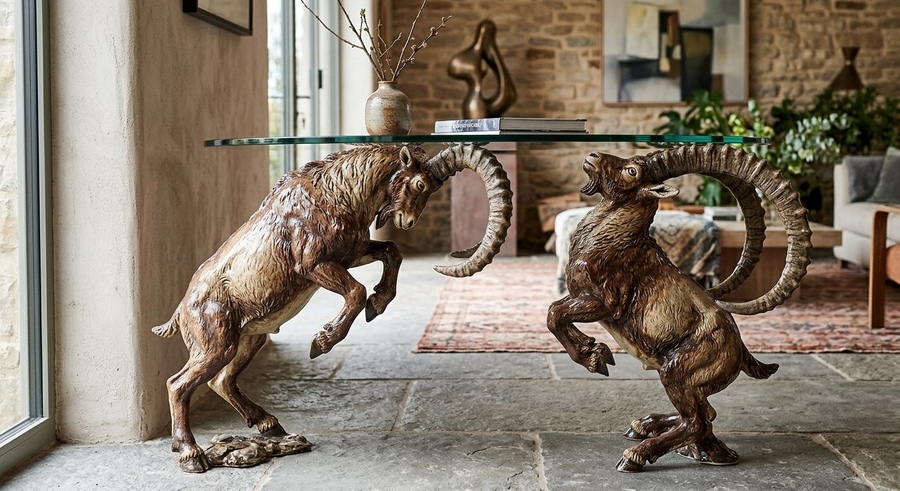
Goal: to launch and position an original product—designer tables featuring glass tabletops atop ceramic figures of multi-colored animals—as an object of collectible design and functional art, capable of occupying the niche between mass-market furniture and gallery pieces, featuring direct-to-consumer sales and establishing a recognizable authorial signature.
Problem: The project sits at the intersection of two markets—furniture and fine art—and each dictates its own rules. From the furniture market’s perspective, the product is compared to standard tables based on price, functionality, and materials. The glass tabletop and ceramic figures increase the construction cost without adding inherent value. From the art market’s perspective, the product is perceived as an object. Functionality hinders its perception as pure art.
Solution: Position the table as an object that simultaneously functions as furniture and a sculptural composition.
Objectives:
++ To establish a category for functional sculpture ++ To demonstrate the figure not merely as support, but as a character ++ To present the glass tabletop as an integral part of the composition ++ To establish a direct dialogue with the buyer ++ To showcase the process as part of the value proposition ++ To define a recognizable authorial voice
THEME
Segment: автор’s interior design / collectible object design
Narrow topic: the table as a sculptural composition
COMPETITOR ANALYSIS
Competitor Analysis Evaluation Criteria:
++ Product and Positioning
++ Content Value
++ Visual Presentation
++ Tone of Voice
++ Platforms
++ Formats
++ Purchase Journey
++ Weaknesses
Top 3 Direct Competitors
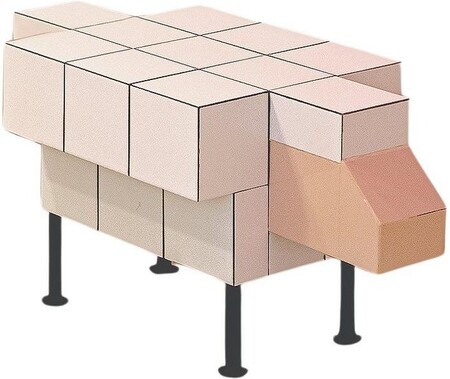
Bussoga: a Spanish design studio and ceramic workshop that creates avant-garde interior objects.
Product and Positioning: The sculpture-table «Taula Ovella”—a sheep clad in hand-cut ceramic tiles, with a steel frame inside. It connects ceramics with contemporary design; in essence, it is a sculpture that functions as a table.
Content Benefit: Their website offers a detailed description of the creation process: manual tile cutting, the use of diamond discs. The viewer gains an understanding of why and how it looks the way it does.
Visual Presentation: A neutral background, focusing the emphasis on the tile’s form and texture, with object photography styled like a catalog shot devoid of environment.
Tone of Voice: Expert, conceptual.
Platforms: 1stDibs—the website and primary showcase—and participation in the major international event, Madrid Design Festival.
Formats: A product card with a description, static photography, no video.
Purchase Path: A purchase inquiry is sent through the website.
Weaknesses: Monotony in color and shape, weak visual presentation.
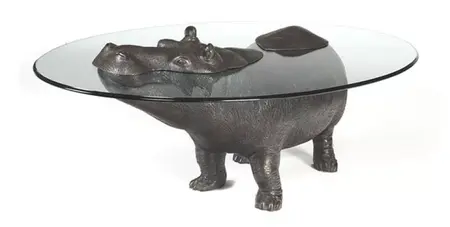
Mark Stoddart: a Scottish sculptor and furniture designer known for his coffee and dining tables featuring glass tops that hold bronze sculptures.
Product and Positioning: A glass tabletop paired with bronze sculptures of African animals that appear to be emerging from water, limited editions of 99 per series.
Content Benefit: Descriptive posts focused solely on the concept and photography, without detailing the making process.
Visual Presentation: Photos of the finished tables, frequently shown within interior settings.
Tone of Voice: Reserved and design-focused.
Platforms: The dedicated website markstoddart.com, postings in design blogs, and museum catalogs.
Formats: Photography plus textual description.
Purchasing Journey: Direct order from the designer; timelines are not specified, and pricing is available upon request.
Weaknesses: Lack of process documentation on the website, which hinders the connection between buyer and seller; the limited theme focusing only on African wildlife; and limited edition runs.
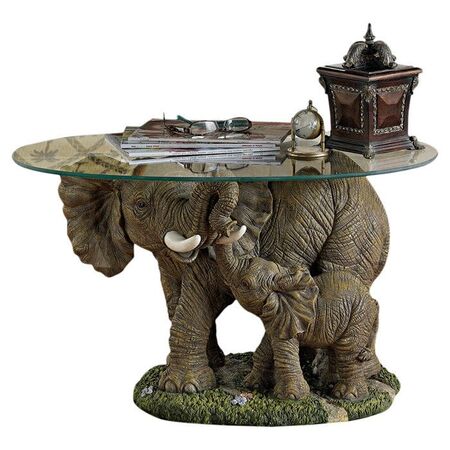
Design Toscano: a multinational company that produces and sells sculptures, historical reproductions, furniture, and home décor items.
Product and Positioning: An exclusive home décor piece that introduces exotic, adventurous motifs to the interior design. The glass tabletop allows the side table to function as a practical element while also offering a 360-degree view of the sculpture.Content Utility: Product card with specifications.Visual Presentation: Standard e-commerce photography on a white background.Tone of Voice: Retail, functional.Platforms: Primary website designtoscano.com, marketplaces Wayfair, eBay.Formats: Product card.Purchase Path: Through the primary website or marketplaces.Weaknesses: Mass production, competition with other products on marketplaces.
Conclusion: Use glass that allows the entire figure to be seen, rather than just its form or figurative representation, and incorporate colorful, vibrant shapes to draw attention.
Top 3 Indirect Competitors

Manner & Matter: A global online platform and marketplace for Russian designer furniture, decor, and interior art.
Product and Positioning: The first and largest platform in Russia uniting various interior design items with those interested in and purchasing bespoke design.
Content Value: It actively produces educational content, including interviews with designers, explanations on how to create an interior space using art objects, and why Russian design is worth the investment.
Visual Presentation: Objects are photographed in neutral settings, emphasizing the piece itself. There are also special projects and pop-up showrooms where items are displayed within an interior context.
Tone of Voice: Expert, yet accessible.
Platforms: Its own marketplace website, manner-matter.ru, and the Cosmoscow fair.
Formats: Product cards with descriptions, special projects, collaborations, and pop-up showrooms.
Path to Purchase: Direct online ordering or consultation with a manager for customized selection.
Weaknesses: Positioning is diluted due to the platform’s scale, and there is a lack of a distinct authorial voice in its communications.

The Future Perfect: an influential platform for collectible design that has gained acclaim for blurring the lines between art, craft, and utilitarian objects.
Product and Positioning: One-of-a-kind pieces or limited editions, where the core concept is to demonstrate how design, art, and craft intersect in everyday life.
Content Value: Minimal text, maximum context conveyed through exhibitions. The Future Perfect showcases works on a leading international platform dedicated to collectible design—Design Miami, held at the Villa Paula, in group shows.
Visual Presentation: Neutral background, focusing emphasis on material and form.
Tone of Voice: Curatorial and descriptive.
Platforms: thefutureperfect.com, Design Miami, Villa Paula, art fairs.
Formats: Exhibition catalog, object profile with description, physical exhibition.
Path to Purchase: Through the gallery, not directly from the artist.
Weaknesses: Lack of a documented creation process as content; the price is not immediately visible to the viewer.
Auction houses Sotheby’s and Bonhams: two of the four largest auction houses in the world.
Product and Positioning: Authorship and limited editions, worldwide auctions, including live bidding, online sales, and private transactions.Content Value: Sotheby’s press releases provide context and connections to other works. The buyer gains an understanding of why the piece commands such a price and what its value truly is.Visual Presentation: Museum-quality staging, neutral backgrounds, multiple angles, detail shots, and scale conveyed through interior photography.Tone of Voice: Academic, authoritative.Platforms: The main websites sothebys.com and bonhams.com, physical pre-auction exhibitions, catalogs, and online platforms.Formats: Pre-auction exhibition, lot description, catalog, press release.Purchase Journey: Registration, participation in the auction, commission.Weaknesses: Auctions are not financially advantageous for the artists.