Introduction
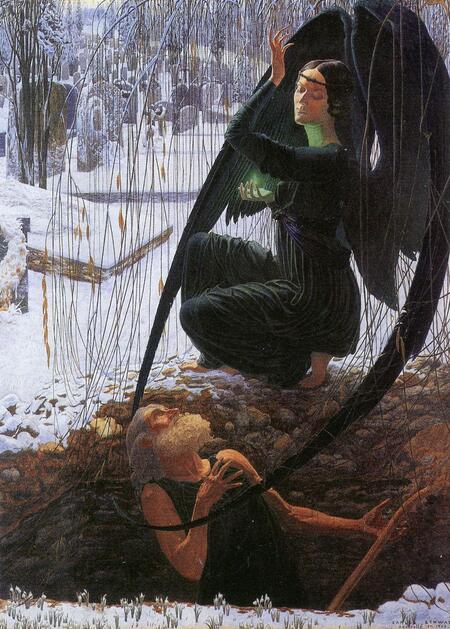
At the turn of the 19th and 20th centuries, the image of wings acquired new meanings and forms. Transitioning from a traditional attribute of angels and mythological beings, it gradually evolved into an independent artistic element associated with ideas of freedom, spirituality, movement, and the transformation of human nature.
Modernist artists reinterpreted this familiar image, experimenting with its plasticity, color, and structure. Wings became integrated into decorative ornament, underwent deformation, and progressively approached abstract forms.
This study examines how the visual representation of wings shifted across various movements of Modernism—from Symbolism and Art Nouveau to Expressionism, Surrealism, and the Avant-Garde.
Navigation
- Wings as a Symbol
- Reinterpreting Mythological Winged Figures
- Wings as a Decorative Form
- Deformation and Transformation of Wings
- Wings as Structure and Movement
- Comparative Analysis of Visual Form
- Conclusion
1. Wings as a Symbol
In Symbolist art, wings become a visual embodiment of the spiritual and supernatural. They signify the connection between the earthly and the celestial, freedom, death, revelation, and inner transformation.
However, winged beings are not always depicted as sublime or beautiful. Artists turn to imagery of fallen angels, demons, and wounded celestial creatures, contrasting the divine with the human.
The form of the wings becomes an important expressive device: their scale, color, placement, and texture help convey the character’s emotional state and the symbolic content of the work.
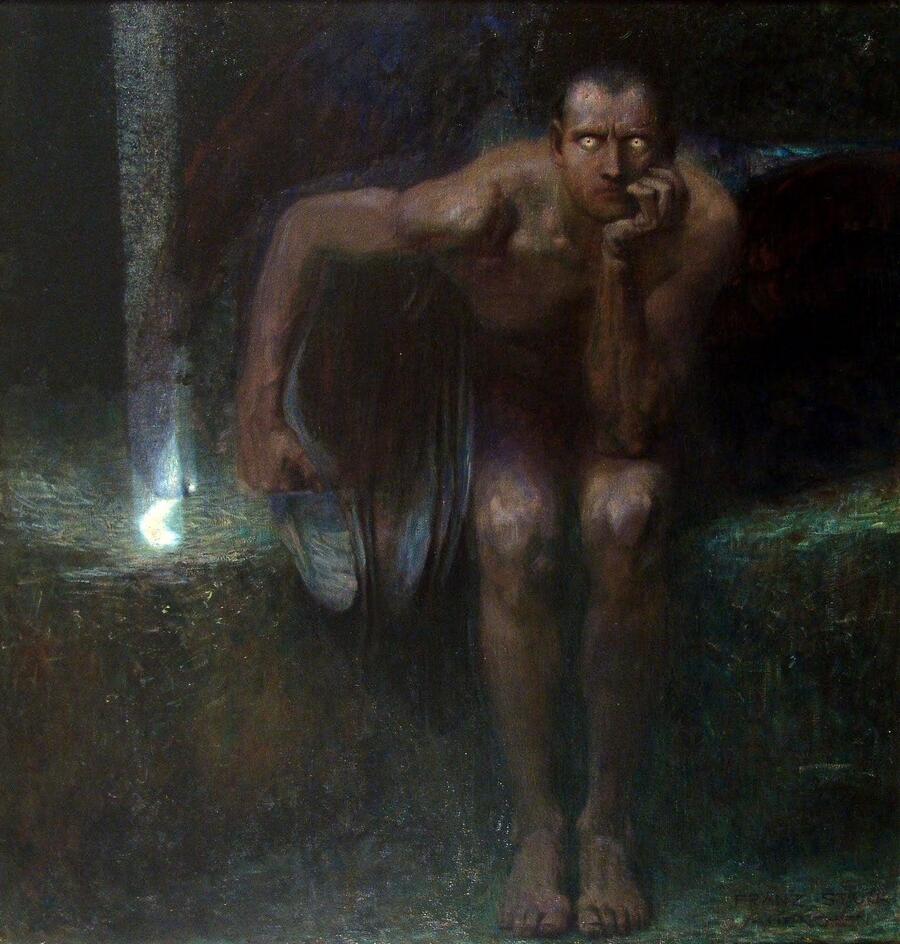
«Lucifer, ” Franz von Stuck, 1890
The massive dark wings almost merge with the background, forming an enclosed space around the figure. Instead of expressing the freedom of flight, they convey weight and alienation.
«Wounded Angel,» Hugo Simberg, 1903
The white wings underscore the character’s fragility. Their lowered position disrupts the traditional association with grandeur and divine power.
«Six-winged Seraphim, ” Mikhail Vrubel, 1904
Numerous wings form an almost geometric composition. Their vibrant, mosaic texture evokes a sense of supernatural power.
«Angelus Novus,» Paul Klee, 1920
The wings are transformed into schematic linear forms, largely detached from realistic anatomy. The angel’s image is preserved despite the radical simplification of the depiction.
2. Reinterpreting Mythological Winged Figures
At the turn of the 19th and 20th centuries, Symbolist and Modern artists turned to mythological themes, reinterpreting the traditional imagery of winged beings. Ancient deities, demons, and fantastic animals acquired new plastic and emotional characteristics. Wings ceased to be an exclusively recognizable attribute of a mythological figure. Their form became part of an artistic experiment: artists altered proportions, enhanced decorative qualities, and merged human and animal traits. Through these transformations, the mythological figure distanced itself from the classical ideal and acquired an individual, mystical character.
«Jupiter and Semele, ” Gustave Moreau, 1895
Winged creatures are incorporated into the multi-figure decorative composition. Their wings intertwine with architectural and botanical motifs, enhancing the sense of a fantastical space.
«The Fallen Demon, ” Mikhail Vrubel, 1902
The wings lose their usual lightness and transform into heavy, fractured masses of color. Their mosaic texture emphasizes the drama of the image and the dissolution of the idealized mythological creature.
«The Wing» (L’Aile), Odilon Redon, 1893
The winged horse is depicted as an enigmatic fantasy creature. The contrast between the recognizable animal head and the unusual wings evokes a sense of dreaminess, disrupting conventional anatomical representations.
«Winged Horse» (Cheval ailé), Odilon Redon, 1895
In this work, the image of a winged creature is conveyed through a concise graphic form. Unlike the decorative painting of Moreau and Vrubel, Redon utilizes tonal transitions and an expressive silhouette.
3. Wings as a Decorative Form
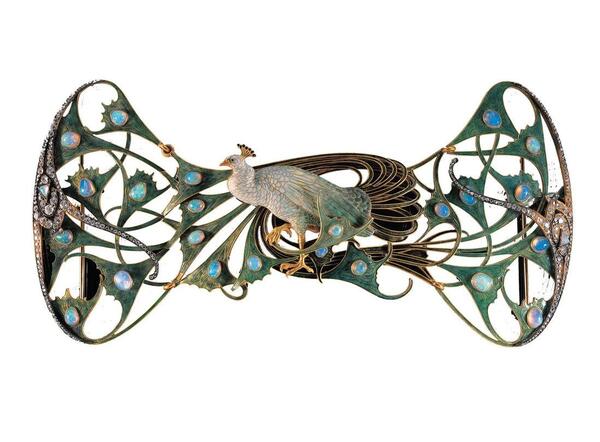
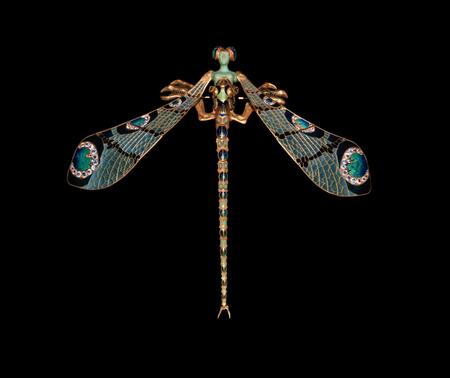
«Dragonfly Woman» by René Lalique, 1897–1898; «Peacock» by René Lalique, c. 1898–1900
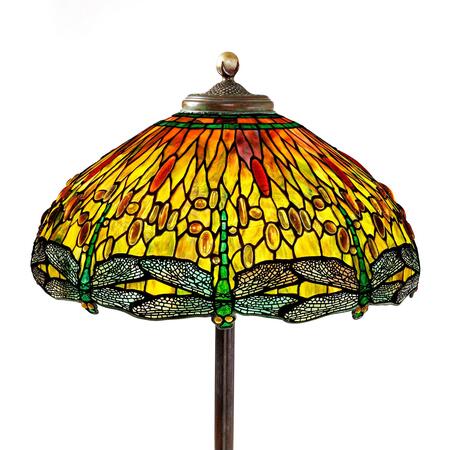
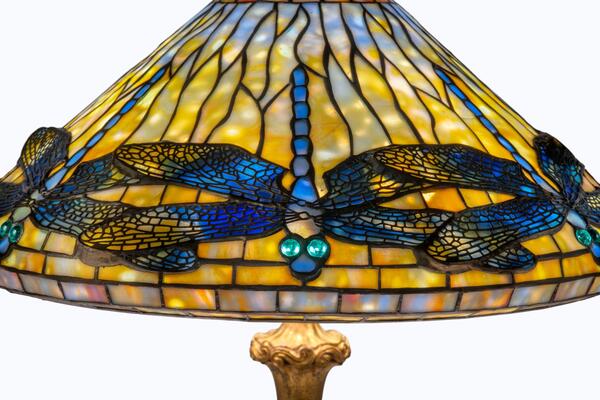
«Dragonfly (Flying Round)» Tiffany Studios, circa 1905
«Five Butterflies, ” Odilon Redon, circa 1912
4. Wing Deformation and Transformation
In Modernist art, the image of wings moves further and further away from traditional anatomical form. Artists violate proportions, simplify silhouettes, and merge human, animal, and fantastic features.
This is particularly noticeable in expressive graphics and Surrealism, where wings become part of a distorted body or a conventional signifier. Instead of harmony and symmetry, asymmetry, fragmentation, and unexpected combinations of forms emerge.
This transformation allows wings to convey not only the idea of flight but also internal conflict, anxiety, vulnerability, and a sense of otherness.