Concept
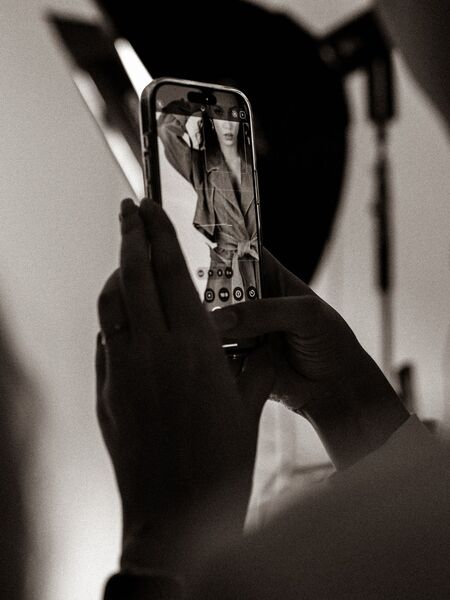
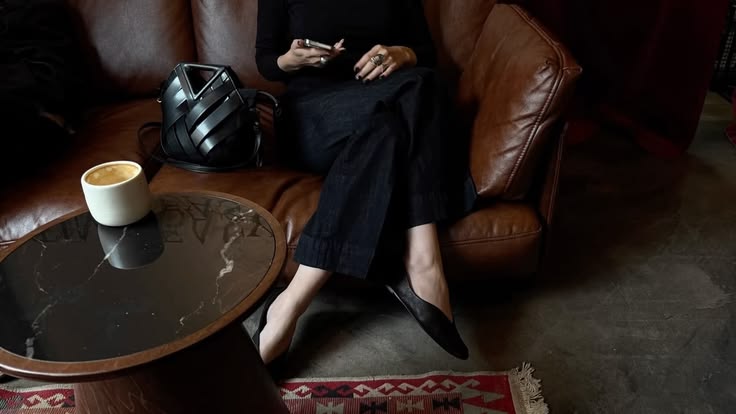
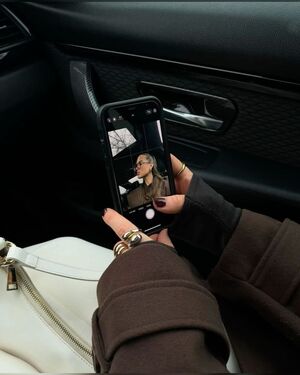
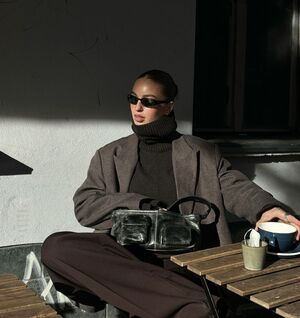
«Frame Point» — a media project dedicated to Moscow’s photogenic locations, designed to help users find ideal spots for photography—whether for personal blogs, social media, fashion content, expert profiles, or commercial shoots.The project’s core concept is not just to showcase the physical space, but to demonstrate how that space translates into a finished photograph. Users can evaluate a location in advance, understanding its visual characteristics and envisioning the types of shots that can be captured there.The project’s goal is to simplify the search for photo locations and assist photographers, bloggers, and other content creators in finding suitable spaces to meet specific visual objectives.Tone of Voice: Friendly, visual, informative. The media interacts with its audience as an assistant—one who knows the city’s interesting spots and can explain how to best use them for a shoot.
Key Themes
— Selections of Moscow photo locations. — Secret and lesser-known spots for shoots. — Seasonal locations. — Examples of photos taken in specific places. — Recommendations on angles, timing, and lighting. — Ideas for shooting across various styles and objectives.

Distribution Channels
Several digital platforms will be used for content distribution, with each platform serving a distinct function.

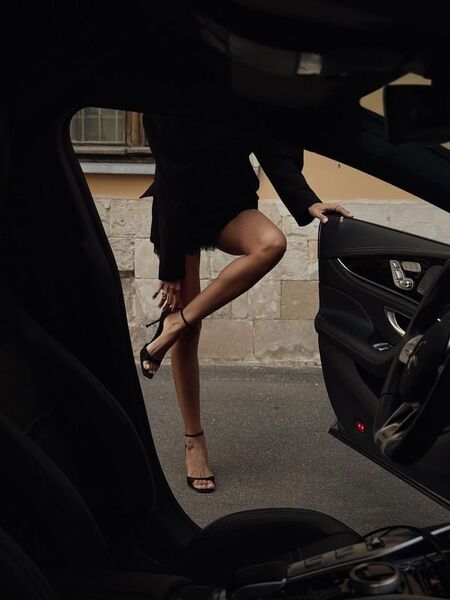
Telegram — the project’s primary hub. This platform will feature detailed location reviews, curated spot selections, addresses, photographs, shooting recommendations, information about the space’s unique features, and visiting requirements. The channel will also allow us to engage with the audience through polls, discussions, and suggestions for new locations.VKontakte — an auxiliary platform for disseminating visual content. Here, we can publish photo collections, location description cards, short videos, and materials that users can share and save.Instagram* — a visual platform designed to showcase the project’s aesthetic. The main formats include photographs, Reels, and «location—result» posts, which juxtapose a space with a finished photograph of a person taken there. This will clearly illustrate the potential of each location.*Instagram belongs to Meta, whose activities are recognized as extremist and banned in the territory of the Russian Federation.
Data Sources
Various sources of information will be used to create content, helping to find new locations, verify their characteristics, and gather visual materials.
1. Mapping Services:— Yandex Maps — searching for photo locations, verifying addresses, locations, photographs, and visitor reviews. — 2GIS — clarifying addresses, contact information, operating hours, and nearby infrastructure for the chosen location. — Google Maps — an additional source for studying object locations and viewing photographs.2. Official Websites of Urban Spaces:Websites for parks, museums, cultural centers, and public areas. These are necessary for checking operating schedules, admission fees, shooting regulations, and potential restrictions.3. Visual Platforms and Social Networks:— Pinterest — searching for visual references, composition examples, color palettes, and shooting styles. — Instagram and VKontakte — searching for photographers, bloggers, and examples of shoots in urban spaces. — Photography and urban communities — finding recommendations, reviews, and lesser-known spots.4. Weather Services:Used to check weather conditions, cloud cover, sunrise and sunset times, as well as seasonal changes that might affect the final result of the shoot.5. Project’s Own Materials:Photographs of locations, examples of finished shots, photographer recommendations, audience feedback, and suggestions for new places. These materials will form the basis of original content and help showcase the actual potential of the chosen spaces.


Data Processing Schema
The media project will combine automated information processing with manual editorial work.
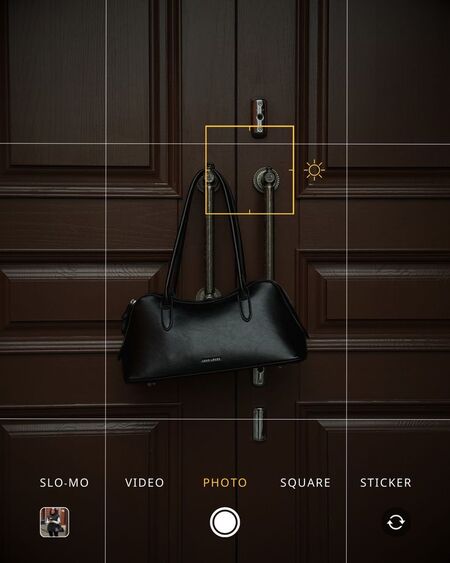

Automated Processing:— initial search for potential photo locations; — collection of addresses, links, and general information about the locations; — categorization of locations; — structuring information into a unified database; — searching for and removing duplicate data; — drafting descriptions and texts; — gathering publication statistics and analyzing audience engagement. Manual Processing:— verifying the accuracy of information and visitation requirements; — assessing the visual characteristics of the space; — selecting appropriate angles and shooting options; — conducting original shoots and preparing examples of finalized photographs; — writing and editing texts; — selecting images and formatting publications; — final review of materials before posting.

The general process for a media project begins with sourcing potential photo locations through mapping services, social media, and other resources. This collected information is then systematized using automated tools, while the addresses, visiting conditions, and unique features of each space are verified manually. Next, the visual potential of the location is assessed, and suitable types of photography for that space are determined. The subsequent stage involves taking photographs of the location itself and creating examples of final shots featuring a person to demonstrate the potential outcome within that specific environment. Following this, accompanying texts and visual assets are prepared, publications are formatted, and they are posted on the chosen platforms. After the content is released, views, saves, comments, and audience reactions are analyzed to gauge interest in the material, which informs future publication planning.
This results in a unified workflow for the media project: automated services streamline the search and data processing, while human expertise handles data verification, the visual component, and overall content quality. This approach allows for the consistent creation of valuable and instructive materials, helping the audience discover suitable photo locations and visualize the final photographic result in advance.
Automated Services
To organize the media project, we will utilize digital tools to streamline information retrieval, content creation, and visual design.

Notion — the project’s primary database. This service will house cards for photo locations, complete with addresses, descriptions, categories, photographs, source links, and shooting recommendations. Notion will also be used to develop the content plan, delegate tasks, and schedule publications.ChatGPT — a tool for brainstorming ideas, drafting texts, creating location descriptions, curating thematic collections, and scripting short videos. The service will also assist in editing materials and adapting them for various platforms. All factual data suggested by the neural network will be independently verified.Yandex Maps — a service for searching and researching photo locations. It allows users to verify addresses, object locations, user-submitted photos, and environmental characteristics of the area.Pinterest — a platform for finding visual references. It will be used to study the style of shoots, compositional solutions, color palettes, and examples of different space usages.Figma — a tool for the project’s visual design. Layouts for posts, covers, location cards, social media templates, and other graphic materials will be created here, ensuring a cohesive visual style for the media project.CapCut — a service for editing short videos. It will be used to create vertical videos, showcase locations, add captions, addresses, transitions, and map spaces to existing photographs.
Guidelines for Automated Services
To maintain the quality and integrity of the media project, general guidelines for using automated tools must be observed.

1. Factual Verification. All addresses, operating hours, visitation conditions, and restrictions must be cross-referenced with reliable sources. Information suggested by the service cannot be published without confirmation.2. Data Currency. Location information must be regularly updated, as visitation conditions, site accessibility, and shooting rules can change.3. Uniform Structure. All Notion entries must adhere to a standard format: title, address, category, description, visual characteristics, suggested shooting types, photographs, and source links.4. Editorial Text Review. Materials generated by ChatGPT must be reviewed, edited, and adapted to match the project’s style. Text must be clear, specific, and free of fabricated details.5. Visual Material Authenticity. Photographs must accurately reflect the real appearance of the location. Filters or edits that significantly distort the space or create a false representation of the site cannot be used.6. Copyright Compliance. When using photographs and visual references, authors' rights must be respected. Preference should be given to original project photographs or imagery explicitly granted permission for use.7. Consistent Visual Style. All publications must align with the overall aesthetic of «Frame Point»: a modern design, a clear structure, an emphasis on photography, and accessible information delivery.8. Final Human Oversight. Automated services function only as auxiliary tools. The decision regarding site selection, material quality, and publication rests with the project editor.
Final Model of the Media Project
The «Frame Point» project is built upon a combination of automated information gathering and systematization alongside manual editorial and visual work. Digital tools assist in locating sites, verifying basic data, organizing the database, developing concepts, and formatting publications. The human element is responsible for assessing the photogenicity of a space, verifying the information, creating original photographs, and performing the final selection of materials.
The main feature of the media project is that it showcases not only the photo locations themselves, but also the potential outcomes achievable when shooting in those specific places. The «one shot equals two shots» format allows the audience to see the practical value of a space and understand how to utilize it to create their own visual content.
Thus, «Frame Point» becomes more than just a collection of beautiful locations in Moscow; it is a convenient visual guide for people seeking suitable spaces for photography.