History
At the end of the 21st century, in 2090, the Great Ecological Conflict (GEC) occurred, which destroyed most of the land, rendering it uninhabitable. On January 1, 2100, the World Conference for Improving Life on Earth was held, during which the Association of Independent World Scientists (AIWS) was established. This association initially included several groups of scientists studying different aspects of human life: the Global Ocean Institute (GOI), the Institute of Life on Earth (ILE), the Institute of Life in Space (ILS), the Institute of Novel Materials (INM), the Institute for the Health of All Living Beings (IHLB), the Institute of Novel Technologies for the Ocean and Space (INTOS), and others. After AIWS completed the program for restoring a favorable terrestrial environment from January 1, 2110, to December 30, 2199, a decision was made to begin research on the World Ocean and Space. However, after some time, the decision was made to freeze the space research project due to budget shortages. On February 10, 2200, the GOI began collecting data on the world’s oceans throughout human history in order to build a scientific base—and eventually an entire city for people—underwater.
Institute Sketches
The first problem scientists encountered on land was the hostile environment; part of the ocean water had been poisoned by a bio-engineering catastrophe (BEC) in 2095. Furthermore, some animals had transformed through evolution under the influence of toxins, becoming hostile toward other living creatures.
Sketches of Mutating Animals
Even in the year 2100, many people attempted to revert to their pre-BEC lifestyle, but they quickly encountered aggressive living beings that had also undergone mutation. In 2102, the European Ecological Catastrophe occurred, when wild bears flooded into many major European cities and began terrorizing the local population. Even then, INM began questioning the creation of clothing for protection against external factors.
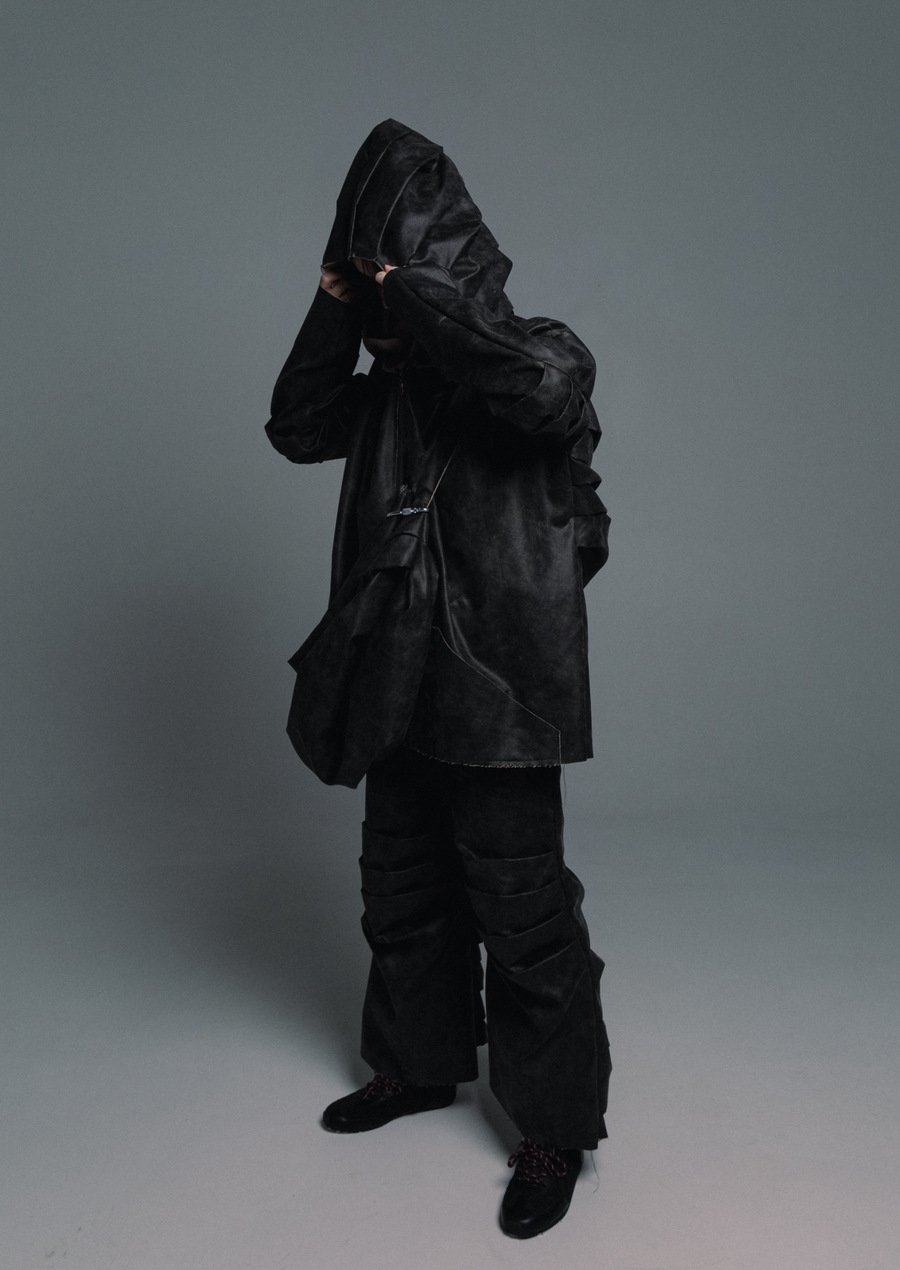
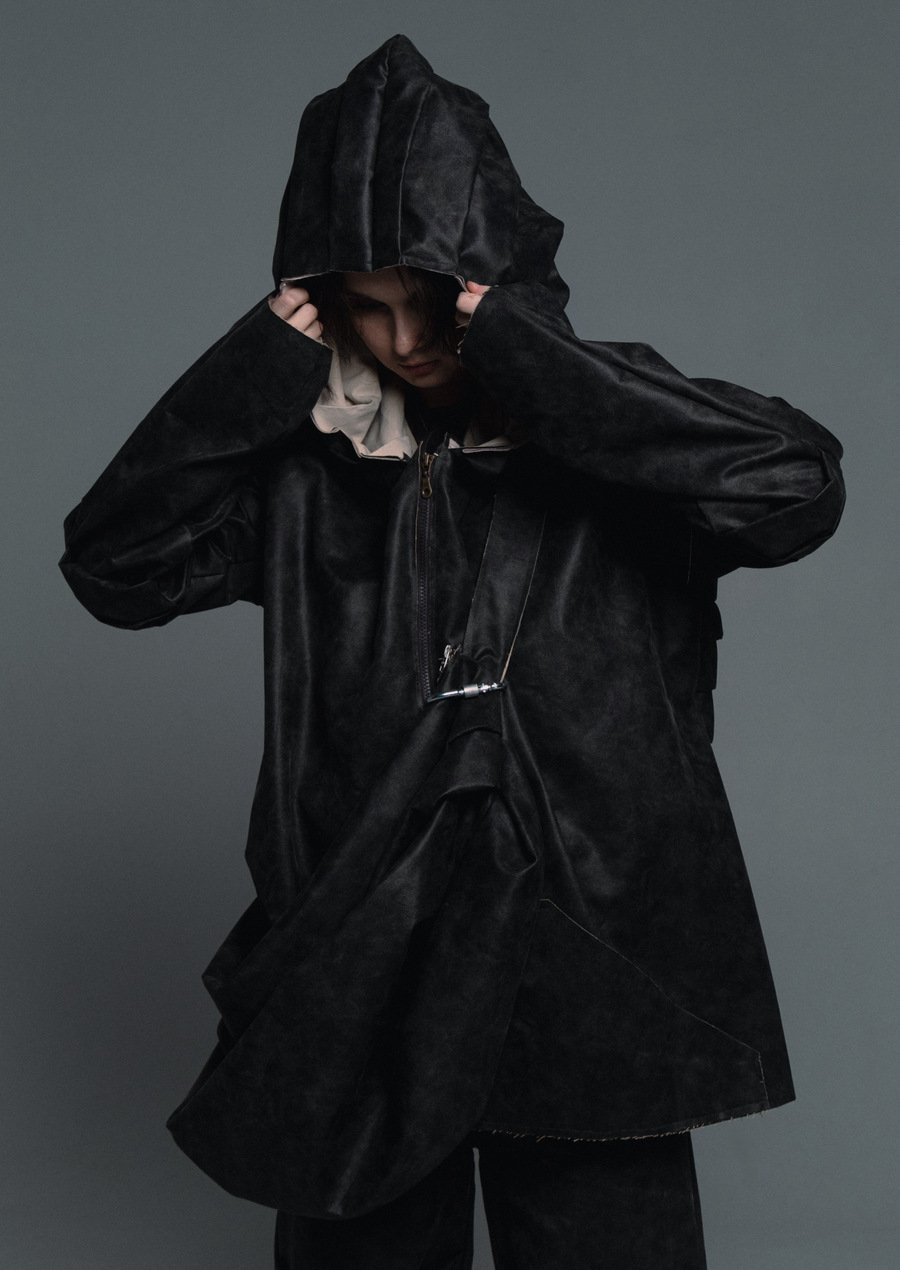
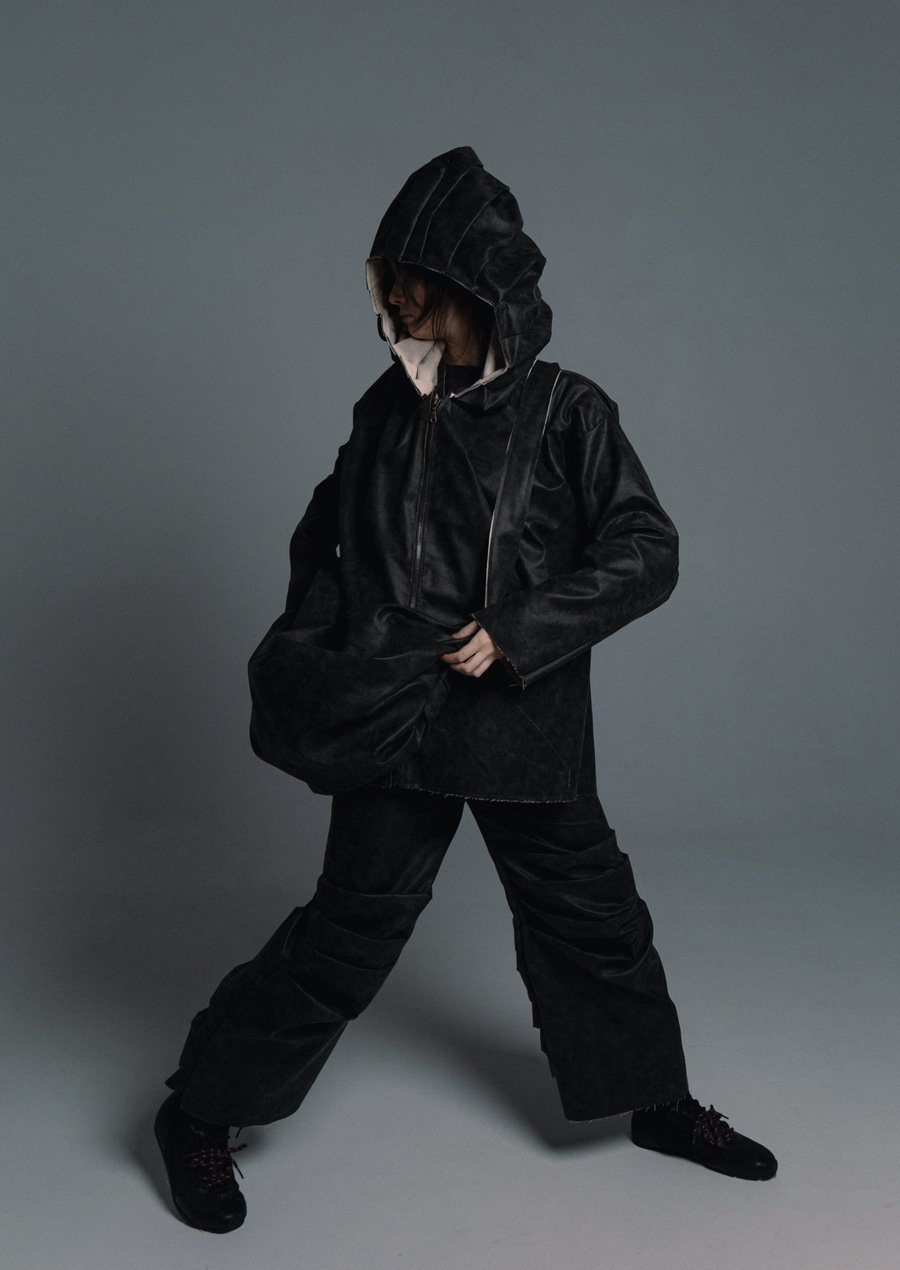
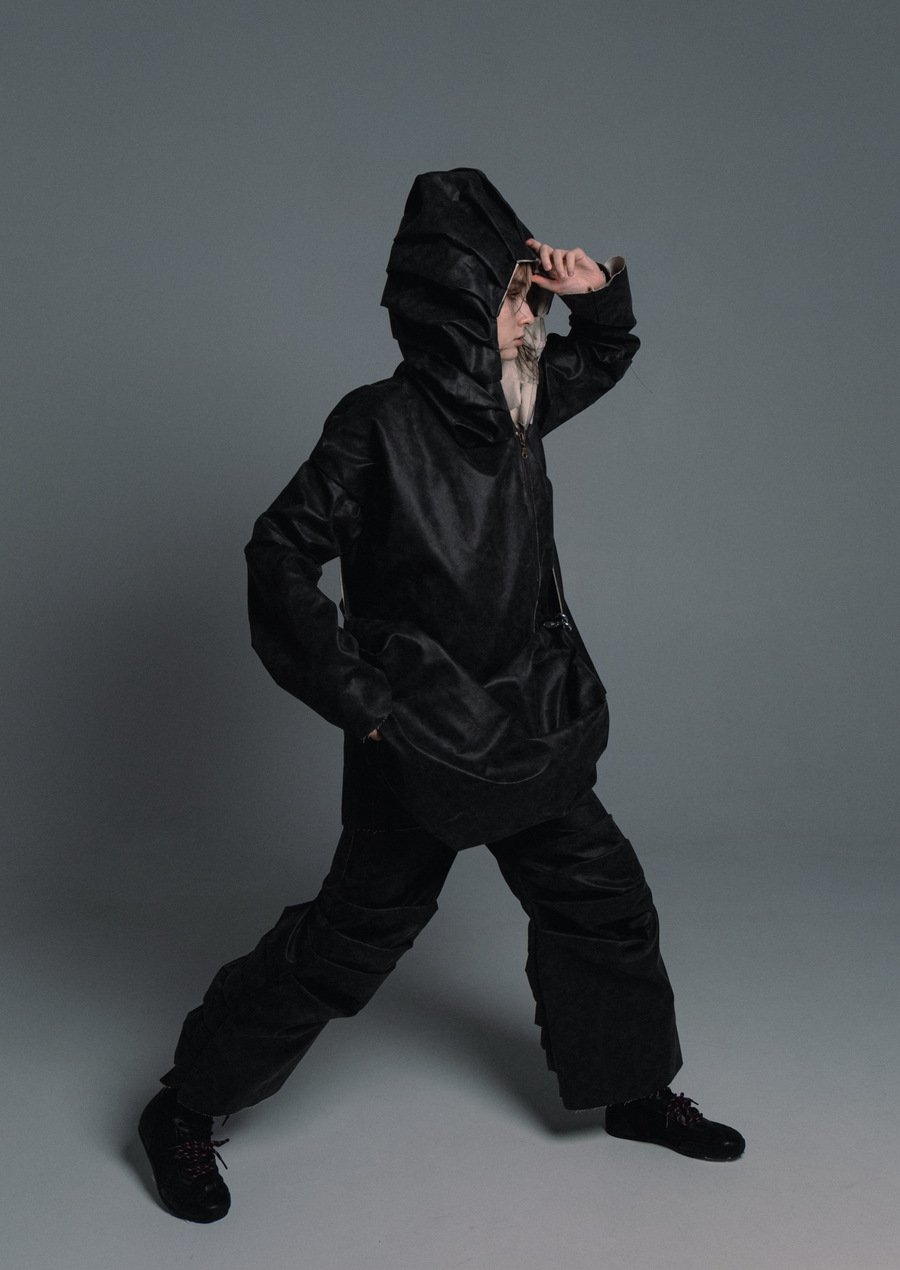
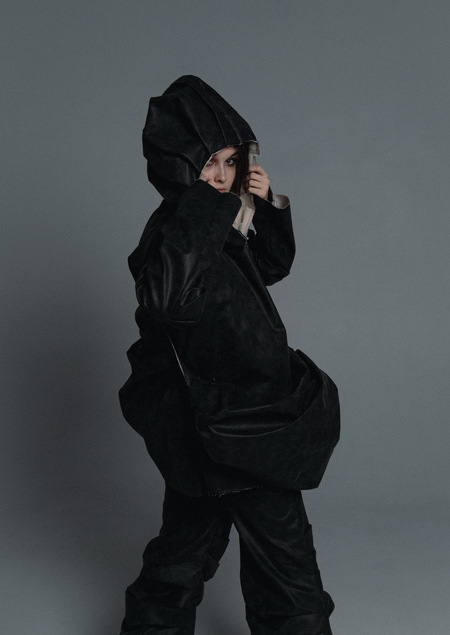
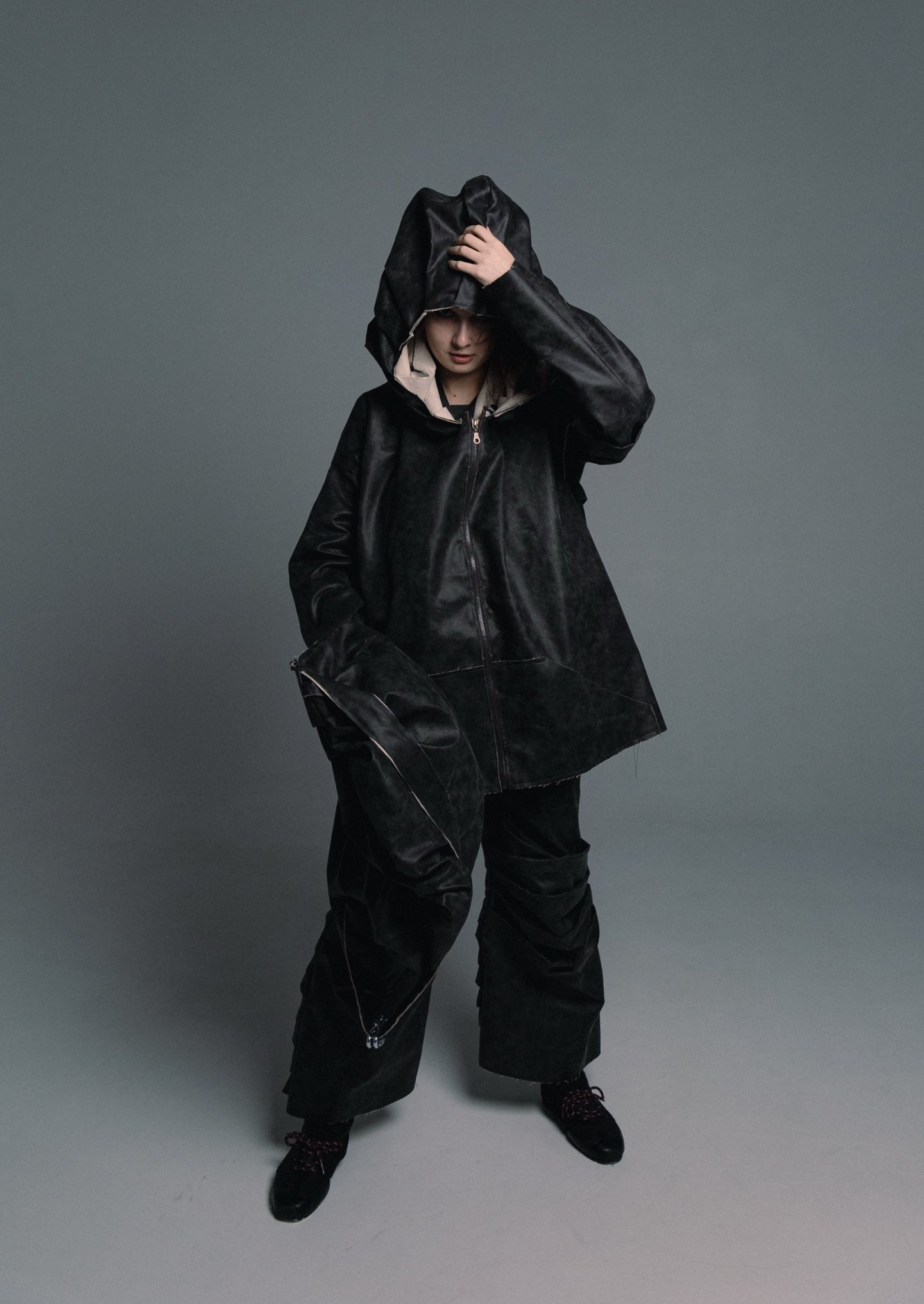
Through concerted effort, by February 2277, the first line of suits was completed—garments suitable for both daily life and encounters with mutated animals. UNIVERSAL COLLECTION-2277-01. The suits were constructed from a durable, elastic material previously used for the tactical vests of corporate armies in past global conflicts. The collection featured natural color palettes, allowing the wearer time to defend themselves before the animals could detect the human presence.
Types of Protective Clothing
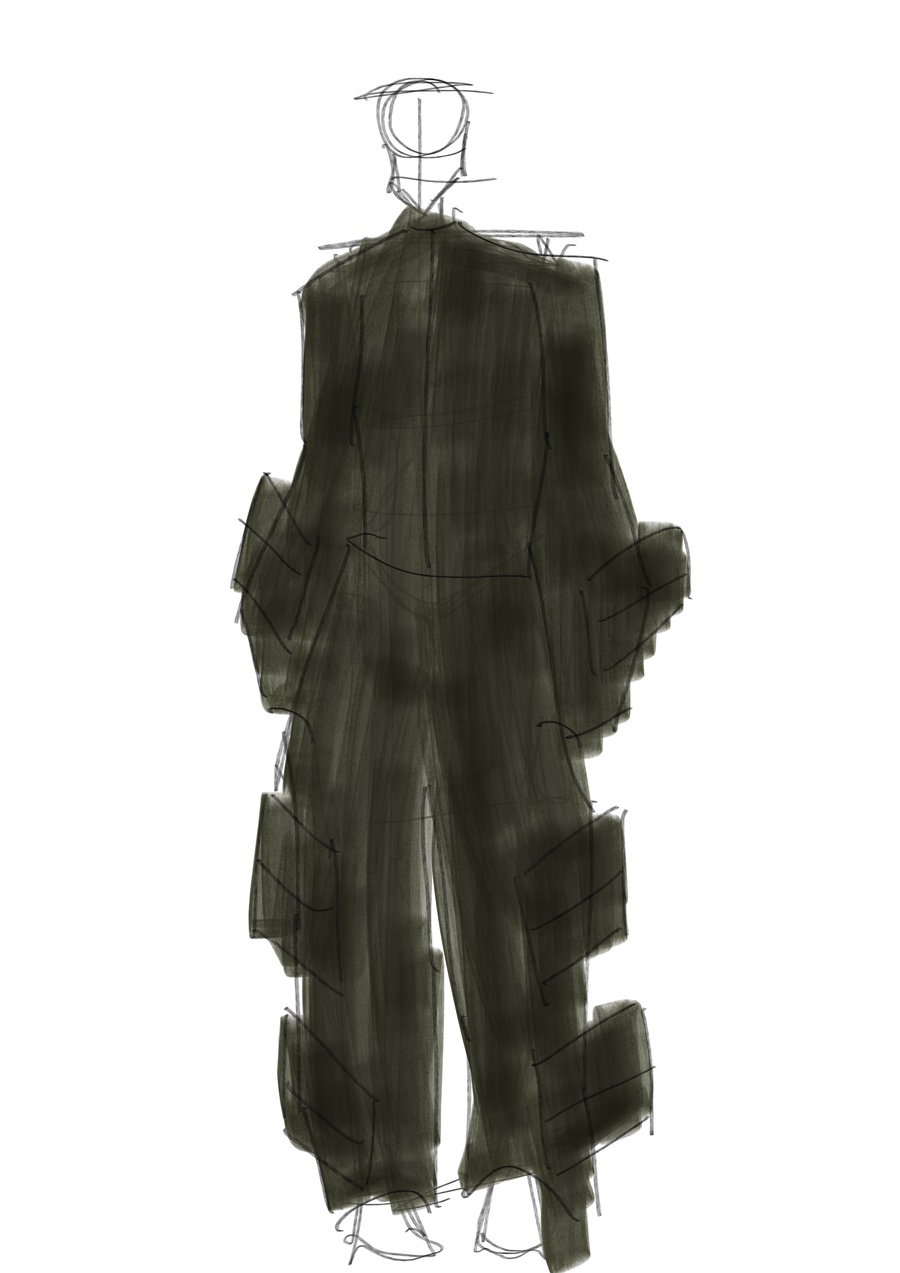
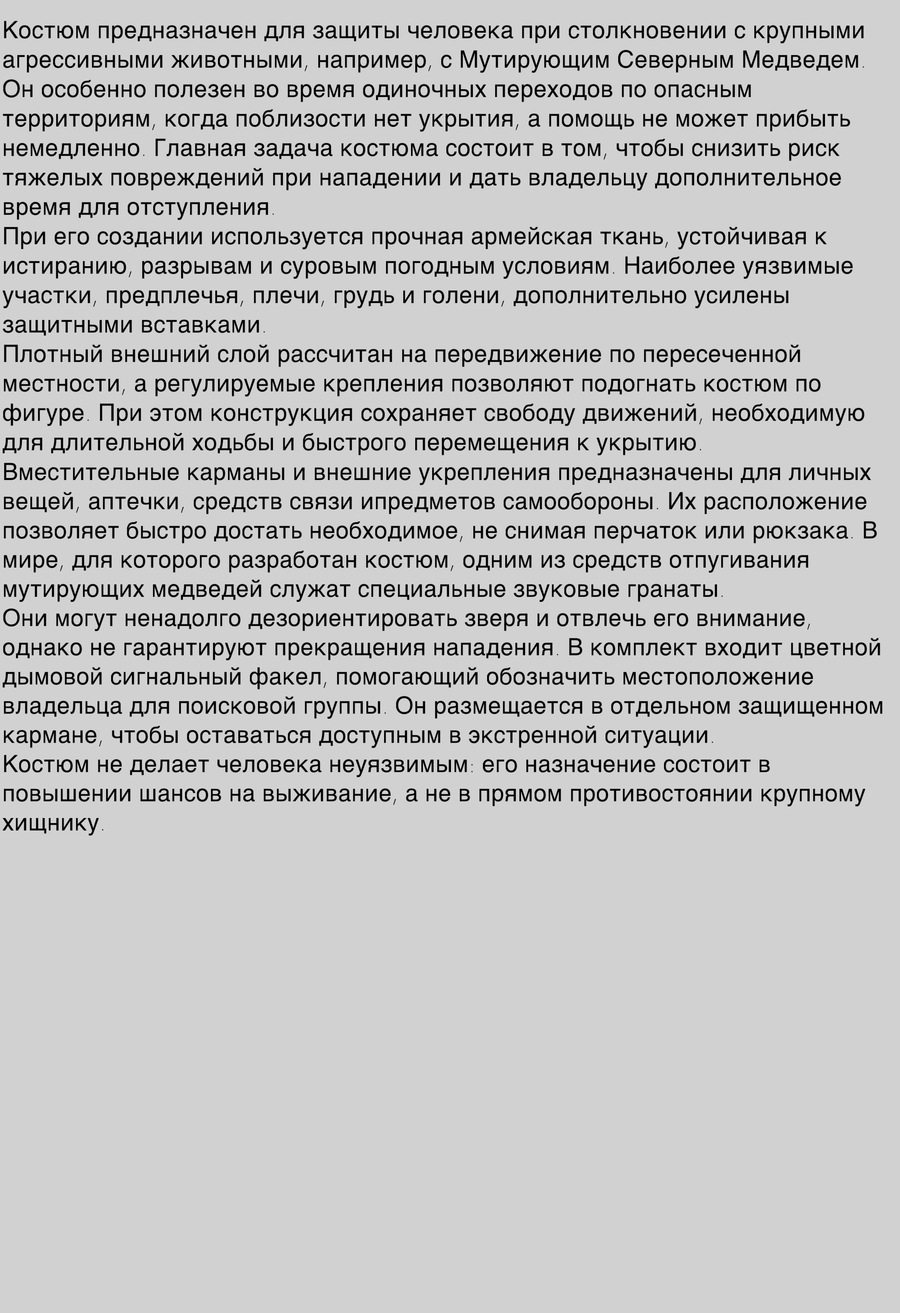
Clothing for protection against large animals. Application.
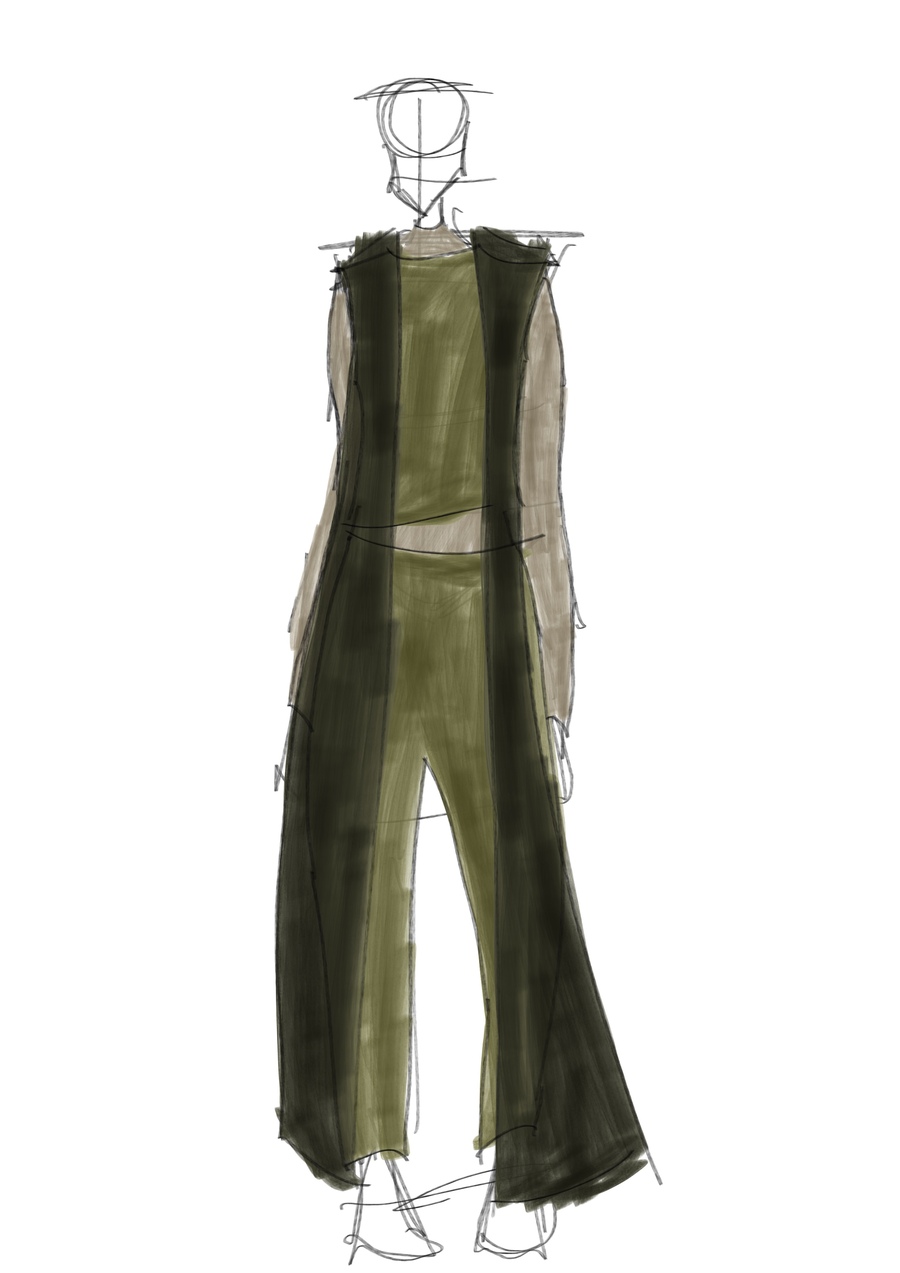
Clothing for protection against small animals.
Application.
Concept
After the ecological catastrophe, the world changed completely and became aggressive toward humans. Scientists had to devise a way to protect against the surrounding world. The UNIVERSAL-COLLECTION-2277-01 collection merges everyday style with protective function, ensuring the safety of its wearer in any season and any location.
Moodboard for the concept
Fashion Sketches
Final Collection Lineup
Mockup
Lookbook
campaign