Art Direction for Cultural Institutions
Master’s degree at HSE Art And Design School
The program is intended for graduates with a bachelor’s degree in design, visual arts, or a closely related field. It explores the expanding role of cultural institutions at the crossroads of academia, public education, media, entertainment, and technology. Instead of treating museums and galleries as static venues, the curriculum approaches them as dynamic, evolving platforms and enables students to navigate and shape their role in contemporary society.
About the Design Program
• 2 years • Full-time education • 7 state-funded places • 100 fee-paying places • 5 fee-paying places for foreigners • 750,000 rubles
90% of HSE Art And Design School graduates are already employed upon completion of training. Many build careers at major organizations, including Yandex, Sber, AlfaBank, T-Bank, IBM, RBC, SuperJob, MTS, Twitch, and others. Besides, our students and graduates traditionally win prizes at Russian and international creative industries festivals and competitions.
About the Profile
Students gain the skills to operate across a broad spectrum of professional settings — from traditional museums to immersive and digital platforms — tackling the distinct visual communication and branding challenges each environment presents. Based in Saint Petersburg, widely considered the cultural capital of the country, the program offers exceptional access to landmark institutions such as the Hermitage Museum, the Russian Museum, and the Manege Central Exhibition Hall. This close connection to leading cultural venues creates valuable opportunities for hands-on experience and direct engagement with the arts sector.
Guided by prominent Russian designers, students work on real-world projects while building professional portfolios that reflect both their creative vision and leadership potential. The program also includes regular sessions with curators, conservators, museum directors, gallery managers, media professionals, independent experts, and international peers, giving students exposure to diverse perspectives and current industry practices.
What You’ll Learn
Year 1. Cultural Institution Branding
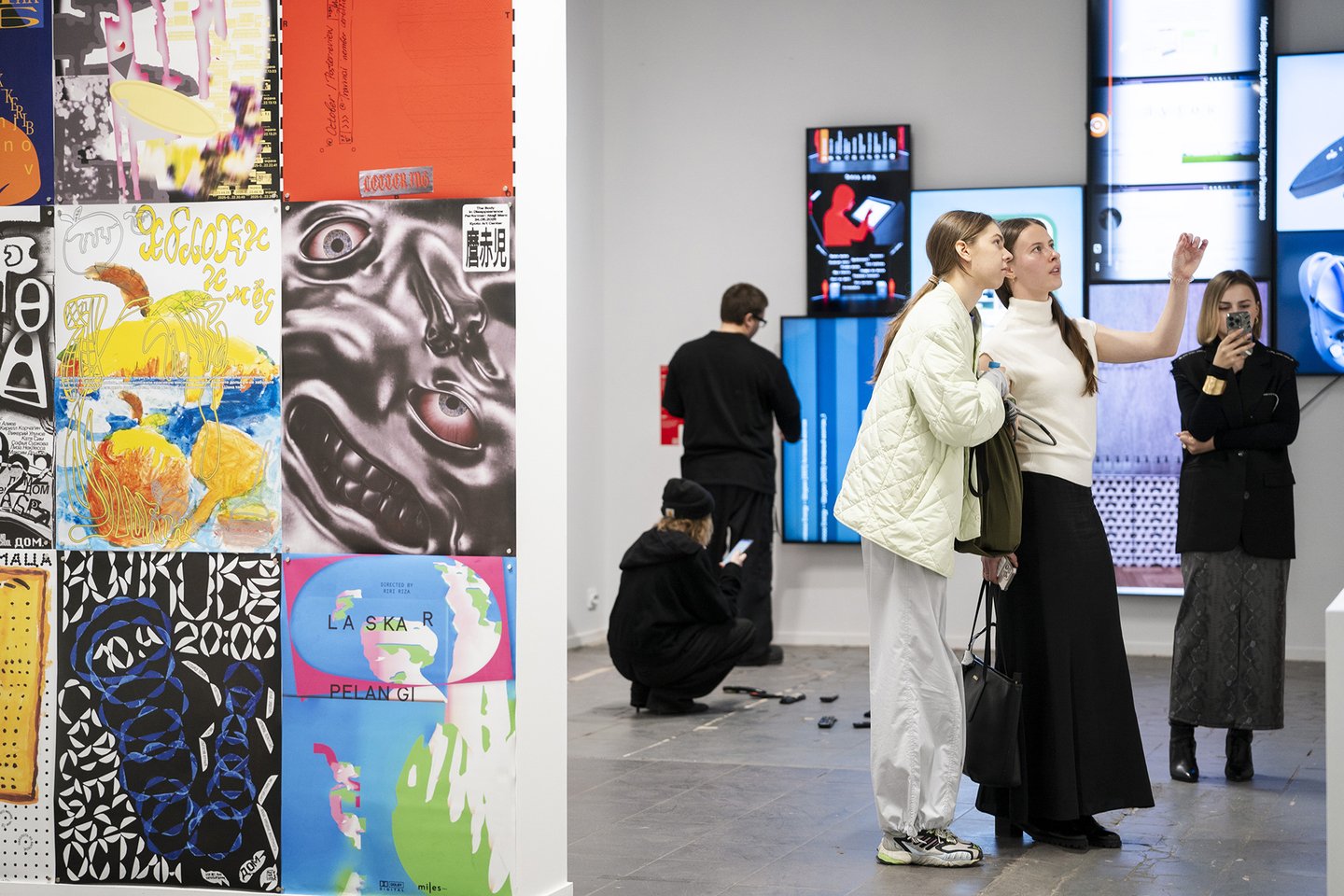
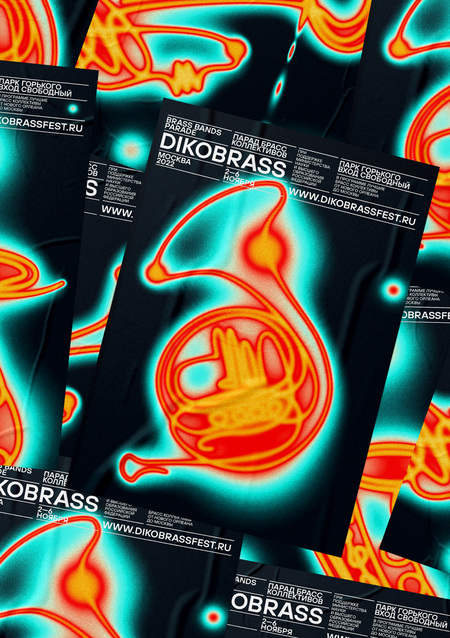
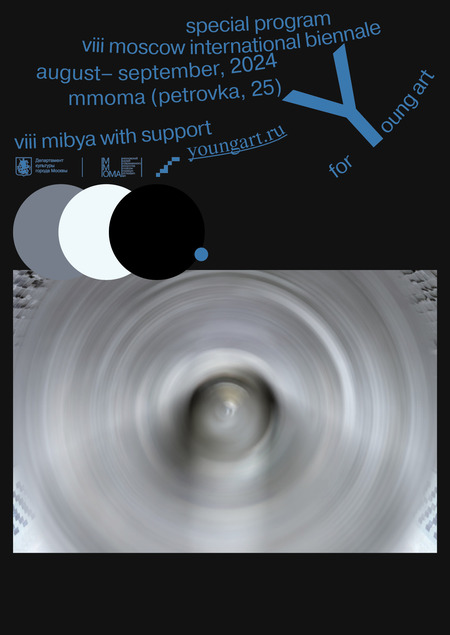
The first year immerses students in branding for cultural institutions — ranging from theaters and museums to festivals and exhibition platforms. Through real-world projects, they design posters, programs, and promotional materials, develop custom typefaces, and produce zines — small-edition publications that express their individual voice. Students also conceptualize and develop comprehensive exhibition designs, gaining practical experience in shaping visual identity and addressing the communication challenges of cultural organizations.
Alongside studio work, the Design Technologies Course builds core digital competencies, including video editing, post-production, 3D modeling, advanced typography, and custom font design.
Year 2. Visual Research, Website and Mobile App, Final Project
The focus shifts to research-led practice and digital innovation. Students undertake in-depth visual research and translate their insights into the design of websites and mobile applications for selected cultural institutions. These projects encourage strategic thinking about user experience, accessibility, and the rapidly evolving digital environment. The year culminates in the final project, where students assume the dual role of an art director and designer. This capstone project highlights their leadership skills and vision, becoming the central piece of professional portfolios.
«This program is designed for those who want to pursue a career in design and who are also passionate about art and contemporary culture in all its diverse forms. Visual communication and branding of cultural institutions often serve as testing grounds for bold, unconventional, and even provocative design ideas, providing a space for genuine creative freedom. The vibrant cultural landscape of Saint Petersburg allows us to integrate real-world projects from our clients and partners — including leading museums, theaters, festivals, and art galleries — directly into the curriculum».
Ksenia Malich, historian, PhD in Art History, and lecturer at HSE Art and Design School in Saint Petersburg
How the Training Works
Education at HSE Art and Design School is as close to real-world work as possible. From the first year, students make their own projects, interact with real clients, gain experience in teamwork, and learn the latest technologies and tools.
Through in-depth study of contemporary theories and practices, and under the guidance of leading scholars and industry professionals, students engage with current debates and innovative methodologies across cultural fields. This advanced training helps them master the analytical tools and develop intellectual confidence needed for meaningful and informed participation in cultural projects and creative initiatives.
Student Portfolio
Hsedesign.ru is the digital ecosystem of HSE Art and Design School which brings together the professional portfolios of designers — students, alumni, and university staff — as well as an online educational platform, a platform that aggregates international online competitions in creative industries, and other tools.


Admission Requirements
Admission to the master’s program is based on a competitive selection process through portfolio review. All entrance projects are submitted online.
Open Days
Open Days and other events are regularly held at all HSE Art And Design School campuses. For those unable to attend in person, the School broadcasts all important happenings online.
Other profiles
HSE Art and Design School trains students in all areas of the creative industries — from branding and game design to contemporary art and animation. You can explore the complete set of our educational profiles at the link below.
Contacts
Frequently asked questions
If you have any questions or need a consultation, please fill out the form below, and we will soon contact you.
If you would like to receive detailed information about admission to the HSE School of Design Master's program, please fill out this short form.