ESSAY: ABSTRACT EXPRESSIONISM
Abstract Expressionism represents a profound shift in modern painting tradition that emerged in New York during the late forties of nineteenth century. It was the first specifically American movement to achieve global status and it successfully moved the center of the art world from Paris to Manhattan. The movement grew out of the existential anxiety following World War II and was deeply shaped by the arrival of European Surrealists who brought the concept of psychic automatism to America. This idea suggested that artists should paint directly from their subconscious mind without the interference of the conscious intellect. Earlier government programs like the Federal Art Project also played a critical role by bringing diverse artists together into a unified and rebellious community.
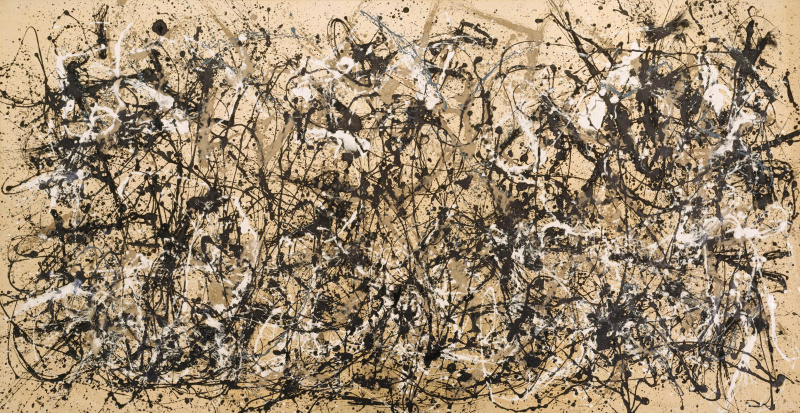
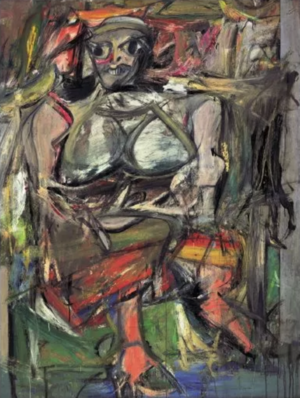
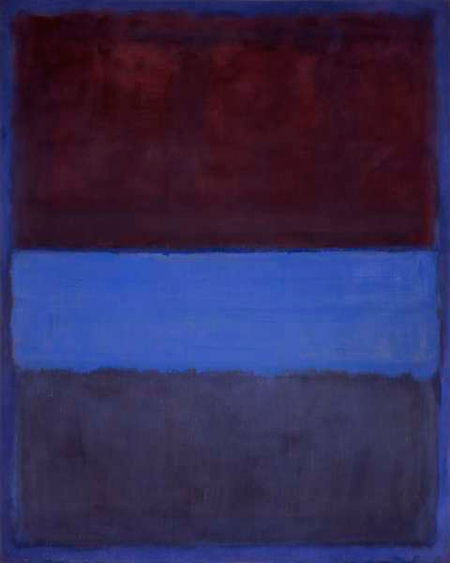
Three iconic practitioners define the movement through their contrasting styles and methods. Jackson Pollock is perhaps the most famous figure of the group due to his action painting method. In his massive piece titled «Autumn Rhythm (Number 30)» he laid his canvas directly on the floor and dripped industrial paint from above using sticks and brushes. This turned the act of creation into a physical event where the paint captured the raw energy of his bodily movements. Willem de Kooning took a different approach by blending abstraction with distorted figurative elements. His work titled «Woman I» features aggressive brushstrokes and thick layers of scraped paint that convey a primal and almost violent emotion. Mark Rothko represents the more meditative side of the movement known as Color Field painting. In his work called No. 61 Rust and Blue he used large soft rectangles of color that seem to float in space. Rothko wanted to create a sense of spiritual vibration that would envelop the viewer and trigger a deep psychological response.
SIGNIFICANT PAINTINGS:
Jackson Pollock — Autumn Rhythm
Willem de Kooning — Woman I
Mark Rothko — No. 61
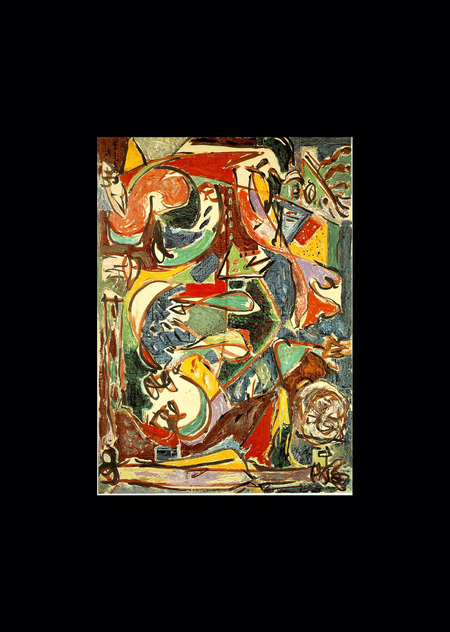
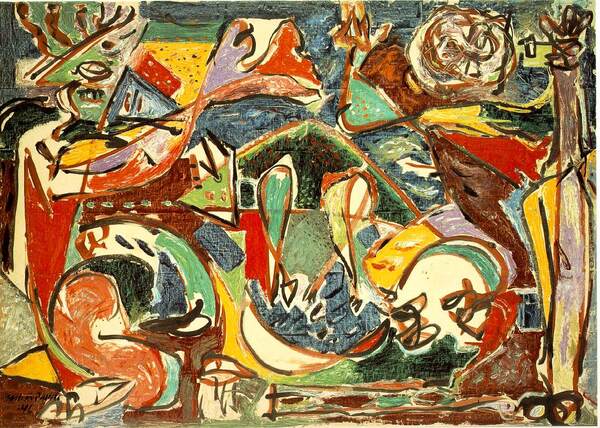
Jackson Pollock — The Key
The movement was supported by two major critics who provided the necessary theoretical framework through their writing. Clement Greenberg was a formalist who wrote an influential essay called Modernist Painting. He argued that art should be pure and focus only on the unique properties of its specific medium. For him this meant celebrating the absolute flatness of the canvas rather than trying to create an illusion of three dimensional space. Conversely Harold Rosenberg looked at the movement through the lens of existentialist philosophy. In his famous text titled The American Action Painters he coined the term action painting. He believed the canvas was not a place to paint a picture but a physical arena where the artist could experience a struggle for self discovery.
By the nineteen sixties Abstract Expressionism had fundamentally changed the rules of international art. Its focus on the physical process of making art directly inspired the development of performance art and spontaneous happenings later in the century. However its heavy emotional style also triggered a backlash among younger artists. This led to the rise of Minimalism which favored cold and geometric structures as well as Pop Art which turned away from high seriousness to focus on everyday consumer objects. The legacy of the movement remains today as a symbol of absolute creative freedom and a turning point in the history of human expression.