Introduction
The topic, «Wart House as a Prototype for the Modern Fashion House Business Model, ” was chosen due to an interest in the history of the fashion industry’s formation and the evolution of the designer’s role in the process of creating, presenting, and selling clothing. Charles Frederick Worth is regarded as one of the key figures in the establishment of high fashion in the 19th century. His work is particularly fascinating because it was during this period that the principles that would later form the foundation of the modern fashion industry began to emerge: the designer’s authorship, collection creation, atelier organization, demonstration of garments on live models, and the formation of a recognizable fashion house name. The study of Worth House allows us to trace how the individual tailoring trade gradually transformed into an organized commercial system where artistic vision, production, and visual presentation became interconnected elements.
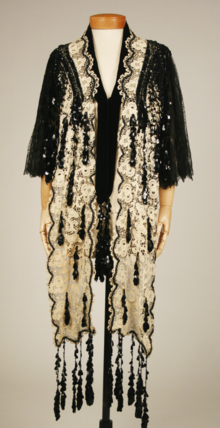
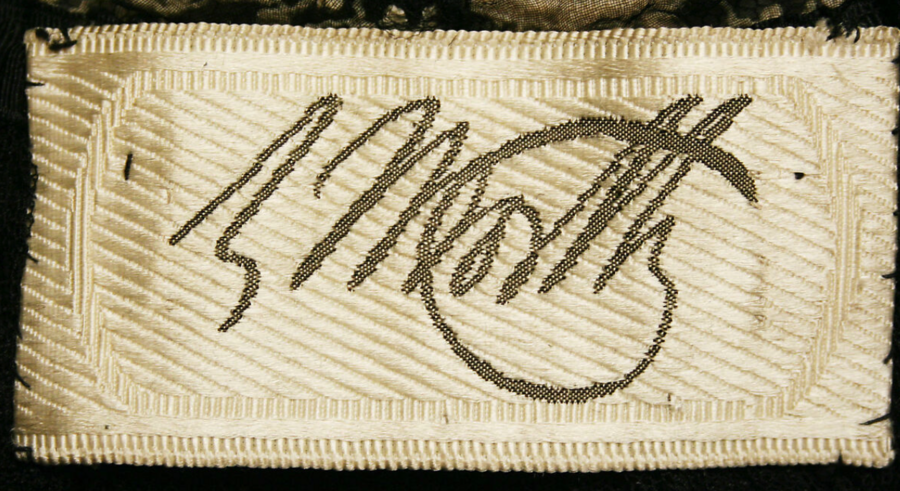
Mantle Design House House of Worth French Designer Charles Frederick Worth French, born in England in the early 1890s
The research materials were selected based on two primary criteria: historical authenticity and visual significance for studying the business practices of the House of Worth. The main visual sources include archival photographs and portraits, original items from the fashion house, images of ateliers and salons, historical fashion illustrations, labels, and other artifacts that allow for the reconstruction of its operating principles. Special attention is paid to visual evidence of clothing presentations, client interactions, production organization, and the formation of the designer’s identity. To compare historical practices with contemporary trends, photographs from current fashion shows, boutiques, advertising campaigns, and the production processes of modern fashion houses are also examined. Textual sources comprise museum archives, scholarly publications, and research on the history of fashion and the establishment of haute couture. These sources provide historical context and aid in the interpretation of the visual materials.
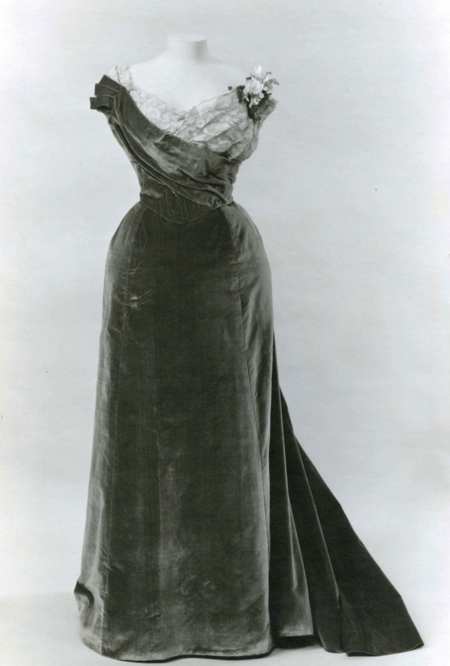
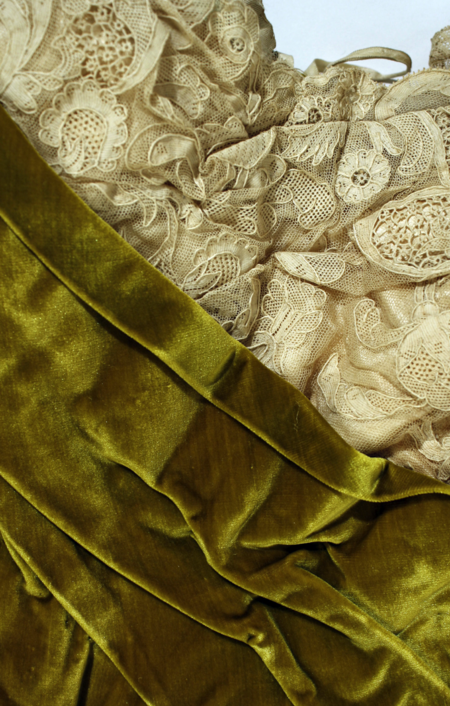
Evening Gown Design House House of Worth, French 1899
The research will be structured around several key areas. The first part is dedicated to the historical context and examines the principles of fashion organization prior to the advent of the Worth House. The second part explores Worth’s core commercial and visual practices: the establishment of the designer’s auteur role, the creation of the salon as a presentation and sales space, the showcasing of clothing on live models, the organization of collections and production, the development of designer branding, and the leveraging of reputation among notable clientele. The third part presents a comparative analysis of these practices against contemporary luxury fashion house business models, allowing us to trace their subsequent development and transformation. The concluding section summarizes the findings and assesses the influence of the principles established by the Worth House on the modern fashion industry.
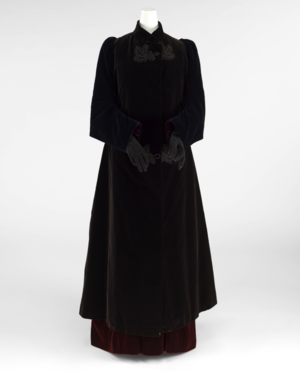
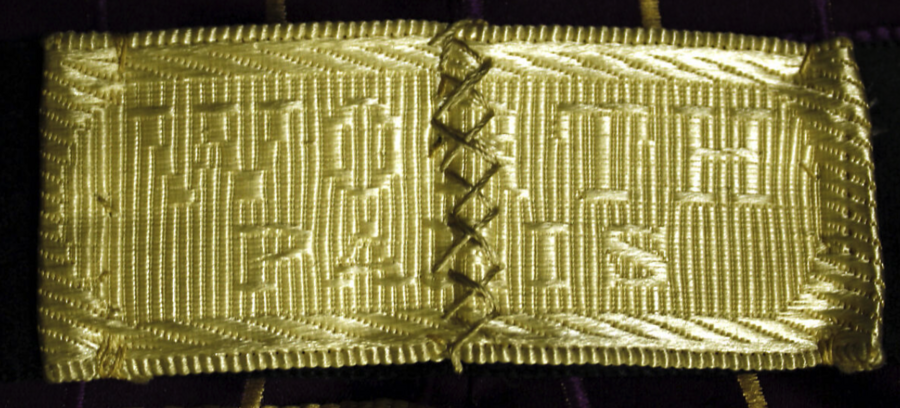
Dolman Design House House of Worth French Designer Charles Frederick Worth French, born England 1885–90
The key research question is: How did the commercial and visual practices of Worth’s House influence the formation of the modern fashion house business model? The research hypothesis posits that Charles Frederick Worth was one of the first to integrate authorial design, organized production, collection presentation, brand building, and high-end client relations into a unified commercial system. This model became one of the most important prototypes for the modern fashion industry—an industry where the designer sells not just clothing, but also their aesthetic concept, name, and unique brand experience.
What was the fashion business like before Wharton?
Before the advent of the House of Worth, influential couturiers, fashion entrepreneurs, and boutiques already existed, shaping the tastes of the aristocracy. However, these practices had not yet been unified into a cohesive system of a signature fashion house.
The client defined the desired future form of the product.
Philibert-Louis Debucourt. La Marchande de modes, c. 1780. Gouache on paper. Musée Cognacq-Jay, Paris.
Unknown Master. Dress, France, c. 1775. Silk. The Metropolitan Museum of Art.
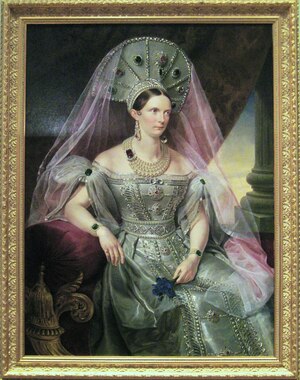
Before the advent of the modern haute couture system, a wealthy client actively participated in creating her wardrobe: she selected the fabrics and trim, and together with the tailor or couturier, she determined the design of the future garment. Clothing creation revolved around individual commissions and the client’s personal preferences.
Fashion Craft Specialization
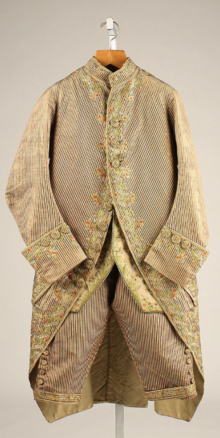
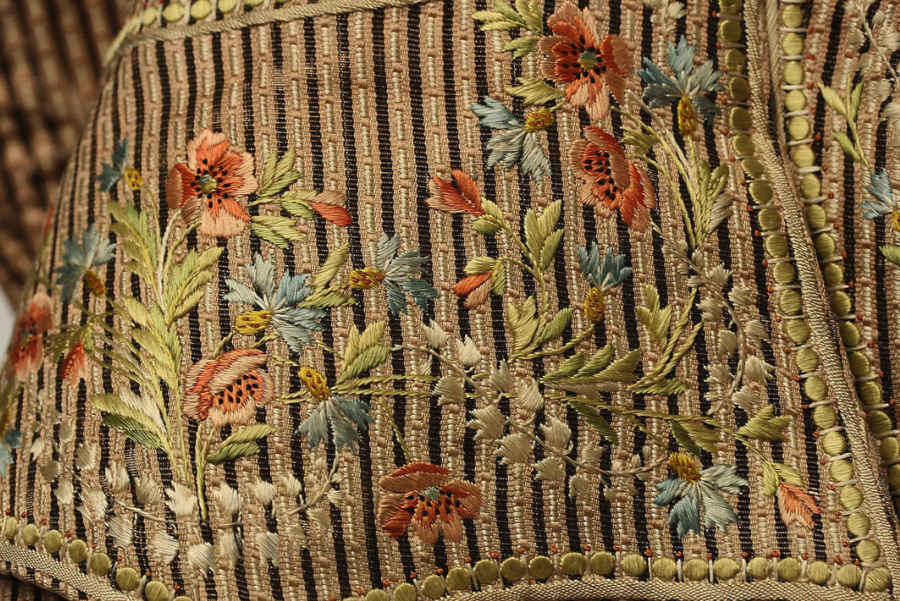
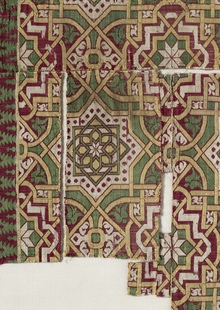
French silk embroidery, 18th century, France.
Unknown Master. Habit à la disposition, Italy, 1780–1790. Silk, embroidery. The Metropolitan Museum of Art.
The creation of clothing was a distributed production process where the artistic idea, manufacturing, and finishing could belong to different participants. This differs from the modern visual model of a fashion house with centralized creative direction.
Entre the client and the manufacturer stood intermediaries—fashion entrepreneurs.
As early as the 18th century, marchandes de modes existed—merchants of fashionable goods who did more than just sell accessories; they actively participated in shaping the client’s image. They selected trimmings, ribbons, lace, feathers, and other decorative elements, collaborated with artisans, and stayed attuned to current trends.
Henri Monnier, lithography by François Séraphin Delpech. Marchandes de Modes, 1828. Carnavalet Museum — History of Paris.
Filibert-Louis Debucourt. La Marchande de modes, c. 1780. Gouache on paper. Musée Cognacq-Jay, Paris.
Even before Worth, fashion was not just a craft but also a commercial enterprise, complete with its own entrepreneurs, boutiques, and intermediary systems. However, the creation of garments, the selection of trimmings, and the crafting of a fashionable image remained distributed among various specialists.
Fashion spread through printed images and magazines.
By the mid-19th century, fashion periodicals had become a more sophisticated system of visual communication. Illustrations were created by artists, reproduced by printers, and hand-colored. Women used these publications to determine which models and silhouettes would be relevant in the upcoming season.
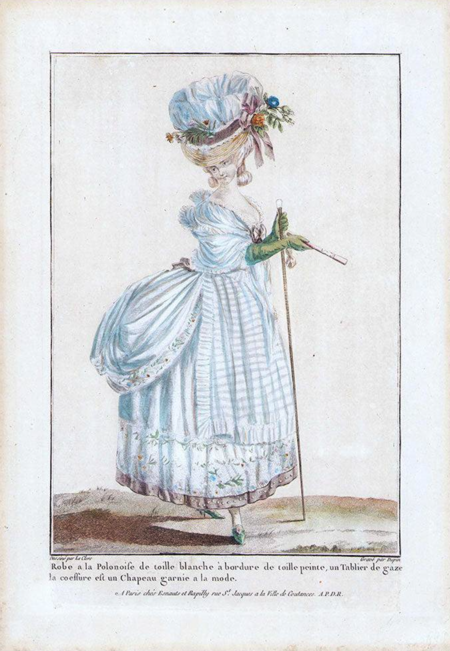
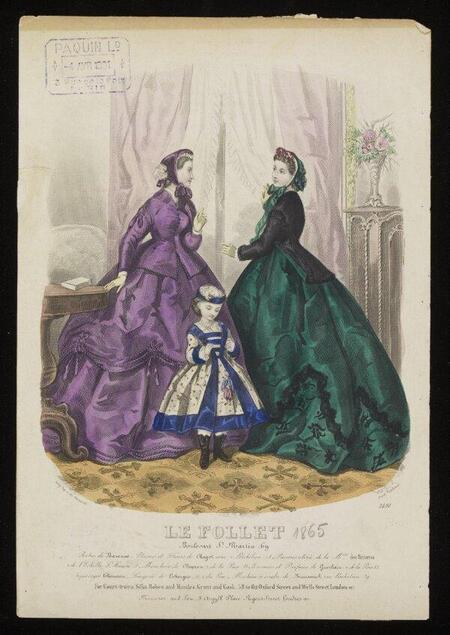
Nicolas Dupont, after a drawing by Pierre-Thomas Leclerc. Petite maîtresse en Robe à la Polonaise, circa 1778. Hand-colored engraving. Series Gallerie des Modes et Costumes Français. Publishers Esnauts & Rapilly, Paris. (left) Anaïs Tuduz. Fashion plate, 1854. Hand-colored engraving and etching. Published in the journal Le Follet, Paris and London. Victoria and Albert Museum. (right)
Before the advent of the House of Worth, the fashion industry already possessed a developed system of bespoke tailoring, specialized craftsmanship, trade, and the dissemination of fashion trends. However, these processes existed mainly as discrete activities: the client participated in the design of the garments, the artisans were responsible for their creation, the merchants managed the selection of decorative elements, and fashion magazines handled the distribution of new looks. This forms the basis for exploring how Worth integrated these existing practices into a singular system of a fashion house.
Wharton School Business Model
Charles Frederick Worth’s House became one of the first examples of organizing fashion as an integrated commercial enterprise. His work extended beyond creating individual dresses; it encompassed design development, manufacturing, collection presentation, client relations, and the cultivation of a recognizable brand. Worth’s business model integrated the designer’s creative work with a sales and promotion system that eventually became characteristic of major fashion houses.
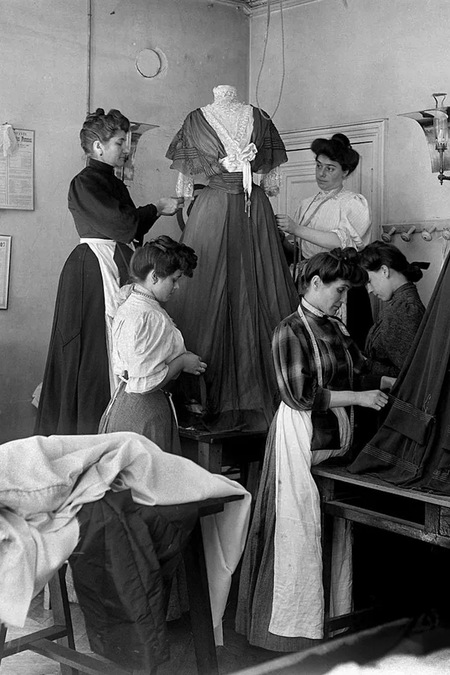
Fashion as an Organized Production Process