Description
This research explores how the image of women in 20th-century Japanese cinema has evolved. From the idealized heroine embedded in the traditional order, women have transformed into individuals with their own will, desires, and perspectives.
We are interested not only in what happens to the protagonist within the narrative but also in how the cinema portrays her—where she is located, how she is dressed, how she moves, how close the camera approaches her, whom she looks at, and who is looking at her.
In films from the 1930s–1950s, the woman is typically bound to the home, family, and social role. Even when she becomes the center of the story, as seen with Kenji Mizoguchi, her life is largely defined by external circumstances. After the war, this model begins to gradually change. In the directorial works of Kinuyo Tanaka, the female experience takes on a different angle, and in the films of the 1960s, women increasingly leave the house for the city, beginning to occupy more space—both literally and symbolically.
This distinction is particularly evident in the films of Nagisa Ōshima and Yoshishige Yoshida. In Ōshima’s works, the heroine exists within the city, politics, and social conflicts. In Yoshida’s films, the body, desire, sexuality, and freedom take center stage. Thus, along with the image of women, the language of cinema itself transforms.
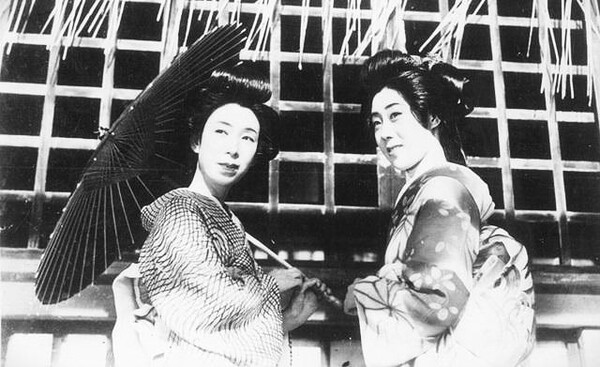
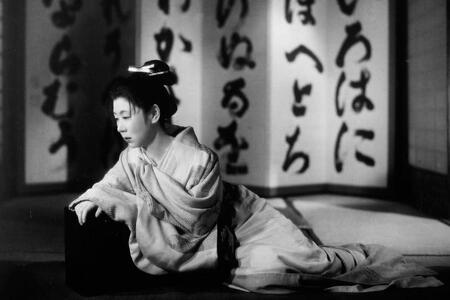
«Giona Sisters, ” Kenji Midzoguchi, 1936 | „The Life of Ohara, ” Kenji Midzoguchi, 1952
Research Objective
To trace how the portrayal of women evolves in 20th-century Japanese cinema. How does the woman transition from a heroine existing within a predefined social role to an autonomous character who can act, choose, desire, and view the world on her own terms?
By comparing films from different periods, this research demonstrates how this transition manifests visually—through clothing, posture, gestures, the domestic and urban spaces, shot composition, and the direction of gaze.
Relevance of the Topic
Cinema does more than just tell stories about women; it shapes the way the viewer perceives them. The camera can render a heroine an object of observation, emphasizing her dependence and stillness, or, conversely, grant her space, movement, and her own point of view.
The history of Japanese cinema is particularly interesting for this type of analysis. Throughout the 20th century, Japanese society itself undergoes profound change—the traditional family structure confronts the aftermath of war, urbanization, new youth culture, and discussions surrounding personal and sexual freedom. These shifts become visible within the frame.
A particularly striking contrast emerges between classical cinema and the Japanese New Wave. Almost everything changes between the women in Mizoguchi’s films and the heroines of Oshima or Yoshida: the space around them, bodily movement, degree of freedom, attitude toward desire, and the very nature of the gaze. This transition, however, is gradual, and Kinuyo Tanaka’s films allow us to observe a crucial intermediate stage.
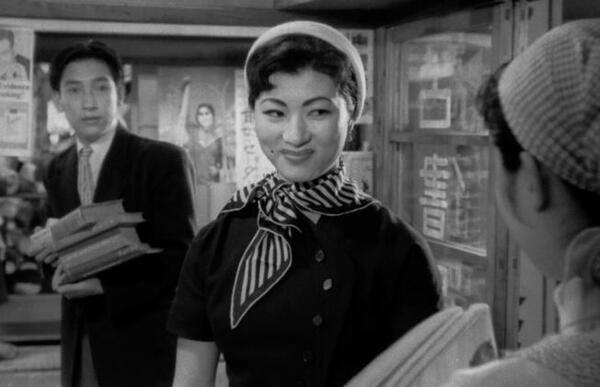
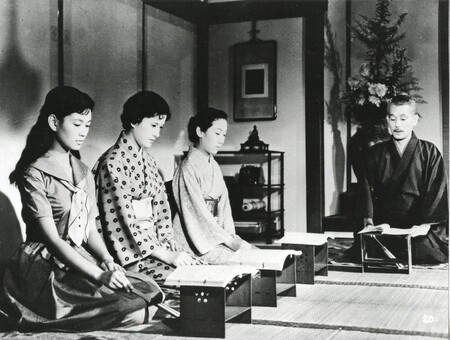
«Love Letter,» Kinuyo Tanaka, 1953 | «Before the Moon Rises,» Kinuyo Tanaka, 1955
Research Methods and Materials
The materials for this research include Japanese films from the 1930s–1970s, alongside certain later works. The primary focus is on films by Kenji Mizoguchi, the directorial work of Kinuyo Tanaka, as well as the cinema of Nagisa Oshima and Yoshishige Yoshida.The main methodology is frame-by-frame and scene-by-scene comparison. We examine the protagonists' clothing, poses, and gestures, their positioning relative to other characters, the domestic and urban spaces, shot size, composition, and gaze direction.It is not only what the protagonist says or does that matters, but how she exists within the frame. Is she seated deep within a room or walking down a street? Is her body covered by clothing or not? Is she looking down, at another character, directly ahead, or into the camera? Through recurring visual situations, we can trace the evolution of the very concept of female freedom.The Principle of Categorization
The study is structured as a progression from a traditional order toward the gradual emergence of female subjectivity. Initially, we examine the woman within the home, family, and social role, and then her placement in classical Japanese cinema, particularly in the works of Kenji Mizoguchi.A dedicated chapter is devoted to Kinuyo Tanaka, an actress who takes a position behind the camera. Her directorial works reveal what happens to the female image when a woman becomes not only a film protagonist but also its author.Subsequently, the research moves into the postwar period, where the woman increasingly exits the domestic space and enters the city. In the films of Nagisa Oshima, her personal history begins to collide directly with politics, society, and the modern urban environment. In the work of Yoshishige Yoshida, desire, the body, and the ability to live outside the established script take center stage.The final section focuses on the gaze. Who is looking at the woman? Who dictates how she will be portrayed? And at what point does the protagonist cease to be merely an object of someone else’s gaze and begins to look for herself?Thus, this research does not merely show a shift in female archetypes, but the gradual transformation of the woman’s position within the frame—from being looked at, to looking, acting, and defining herself.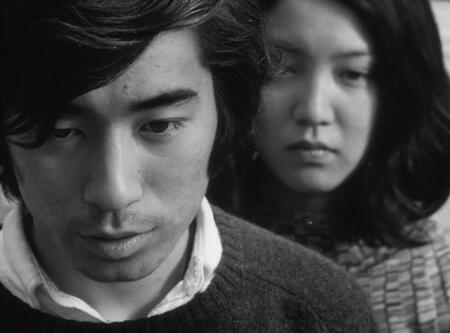
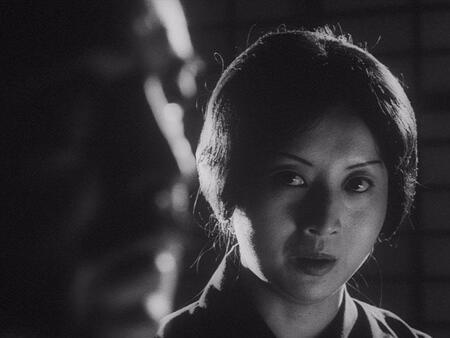
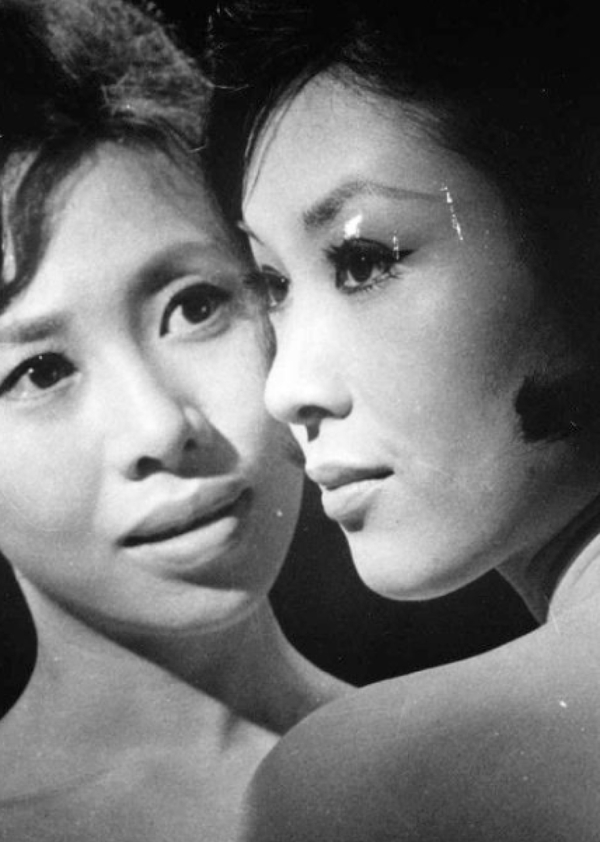
«History Told After the Tokyo War, ” Nagisa Oshima, 1970 | „Eros and Murder, ” Yoshisige Yoshida, 1969
Chapter 1. The Woman in Traditional Life
In Japanese cinema of the 1930s–1950s, two female archetypes collide. On one side, there is the traditional woman—daughter, wife, mother, or geisha—whose life is bound by family and established social roles. On the other, the modern urban heroine begins to emerge; she works, ventures outside the home, wears Western clothing, and gains greater autonomy. In Japanese culture, these two images existed simultaneously.
Therefore, the traditional woman in cinema from this period is no longer a single, stable archetype. It is more interesting to examine the system of her visual constraints: where she is permitted to be, how much space she occupies, how she sits and moves, what her clothing communicates, and most importantly, whether a change in her outward appearance can alter her societal standing.
The Home
This is one of the primary female spaces in classical Japanese cinema. The heroine is frequently situated indoors. The architecture literally frames the female body. In Ozu’s work, domestic spaces are especially vital—the low camera angles and interior framing organize the characters' movements.
The woman here is not merely residing in a house; she becomes part of its order. She sits on the tatami, cares for others, and, of course, occupies a defined place relative to the other family members. For her, the home becomes both a sanctuary and a constraint.
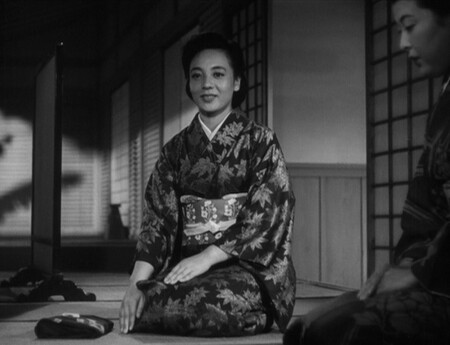
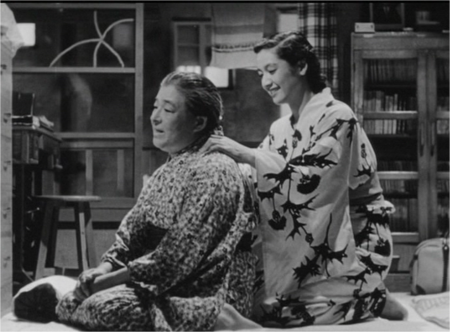
«Late Spring, ” Yasujirō Ozu, 1949 | „Tokyo Story, ” Yasujirō Ozu, 1953
Pose
It is important to look not only at where the woman is located but also at how her body is positioned.
A seated pose, folded arms, small gestures, and restricted movement create a reserved image. The woman occupies little space; she is inconspicuous and neat, her body conforming to the existing order.
Clothing
In the 1930s, the traditional image begins to crumble. In the same film, you find kimonos, school uniforms, skirts, coats, hats, and other Western attire. The modern woman becomes visually distinct from the traditional one.
It is particularly interesting when two types of women appear in the same frame. The kimono and Western clothing become a simple visual way to demonstrate the coexistence of the old and the new.
However, modern clothing does not yet signify freedom. A woman can look modern, work, and move independently through the city, yet her life is still defined by family, a man, or the necessity of marriage.
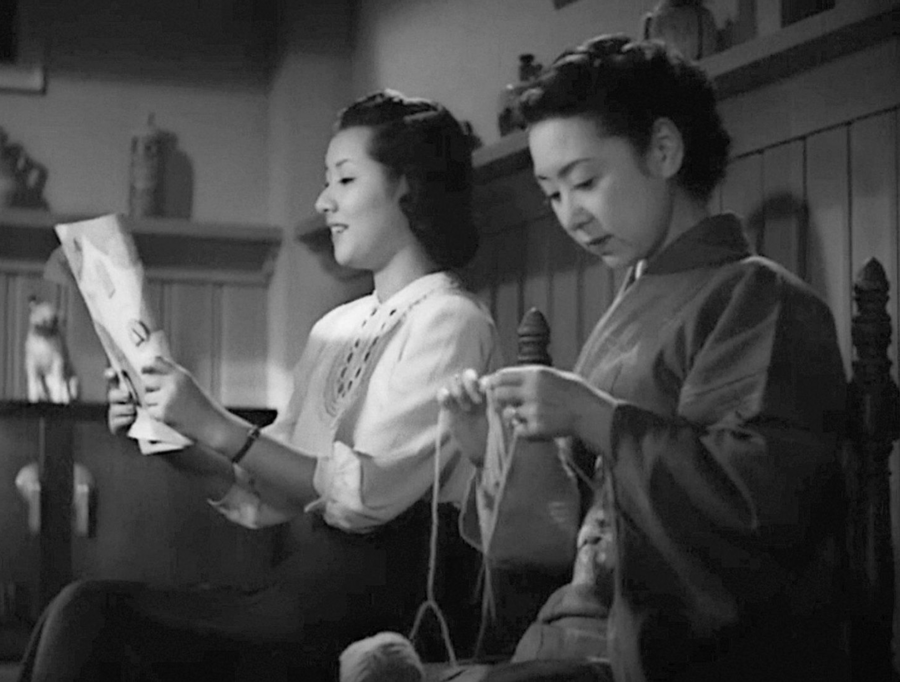
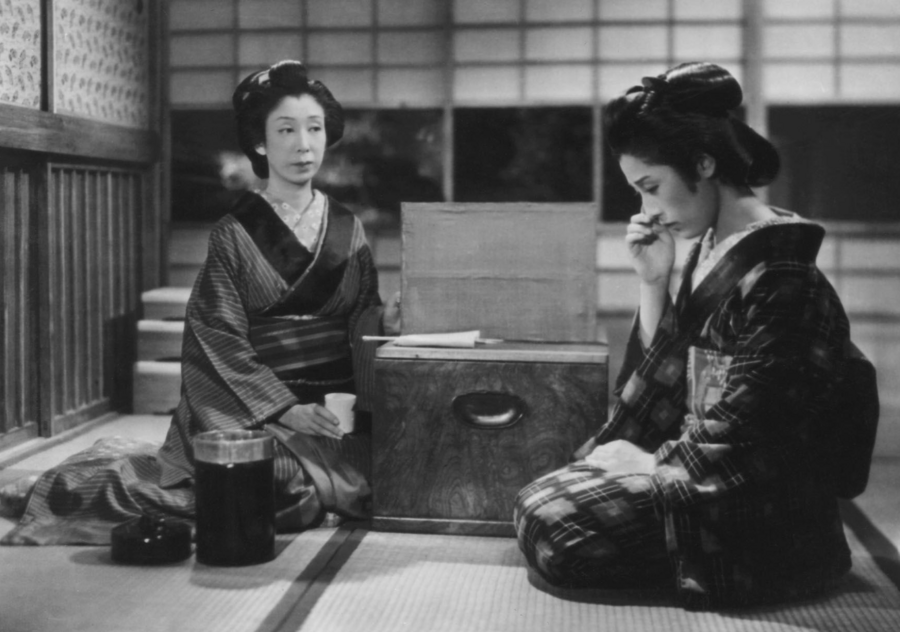
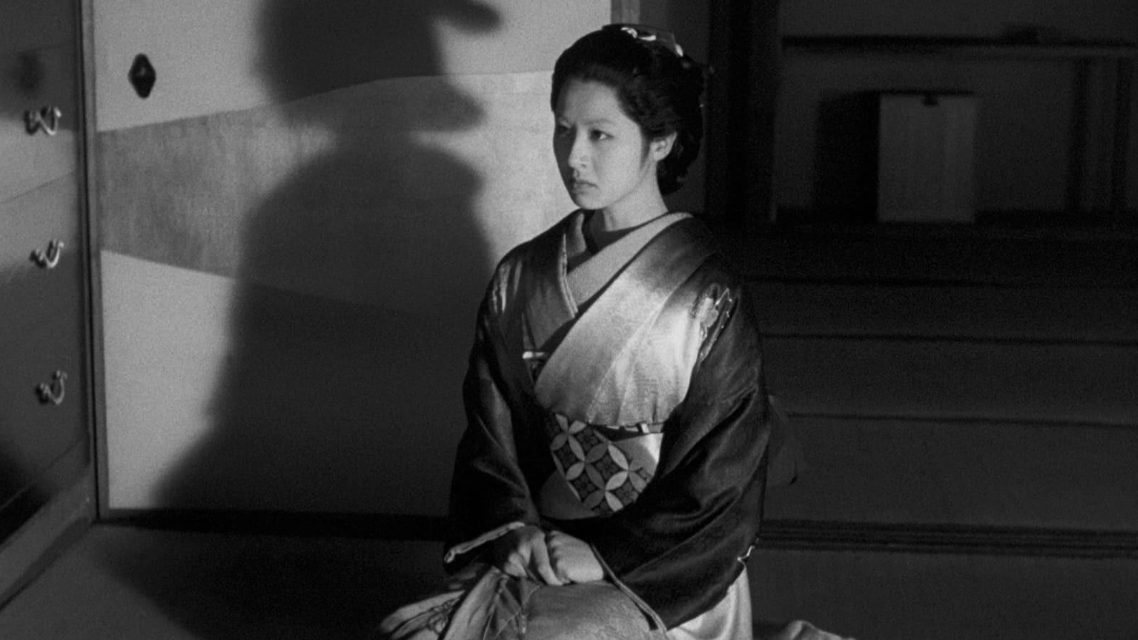
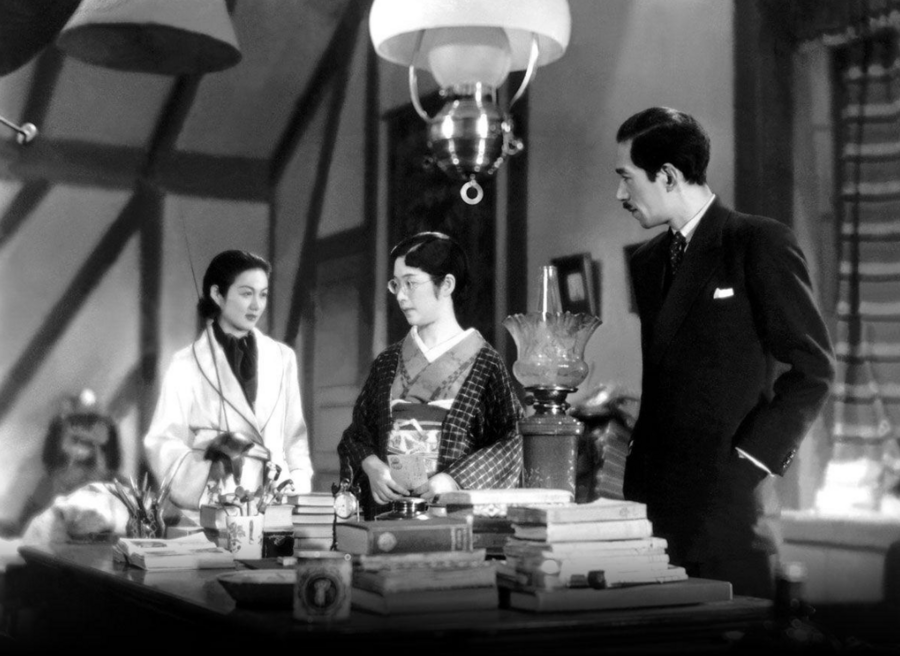
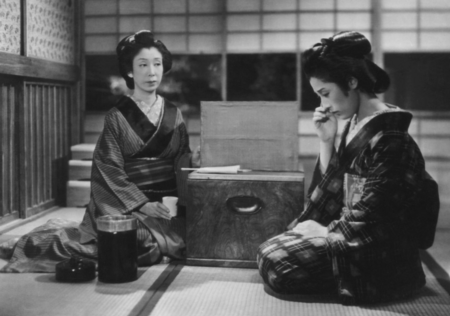
«Tale of the Late Chrysanthemum,» Kenji Midzoguchi, 1939 | «Tikamatsu Tale,» Kenji Midzoguchi, 1954
A Woman Exits Her Home
Even before the Japanese New Wave, the woman begins appearing in various spaces—on the street, at work, in the port, among transportation, and amidst modern urban architecture.In «Girls at the Port, ” the traditional kimono is already set against the backdrop of a massive ship and a modern international port. The film itself was made back in 1933.This reveals an important contradiction: the space surrounding the woman modernizes faster than her social role. She is already in a modern city, but she does not necessarily possess modern freedom yet.The Role
During this period, the woman is most often defined through her relationships with other people—daughter, wife, mother—or through a profession connected to the male gaze and economic dependency, such as a geisha, factory worker, or sex worker.Nevertheless, the woman can easily be the main protagonist of the film. The camera follows her, the viewer empathizes with her, and her conflict becomes the center of the story.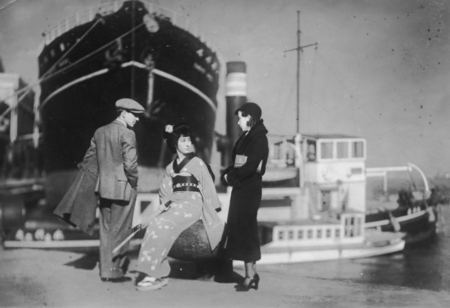
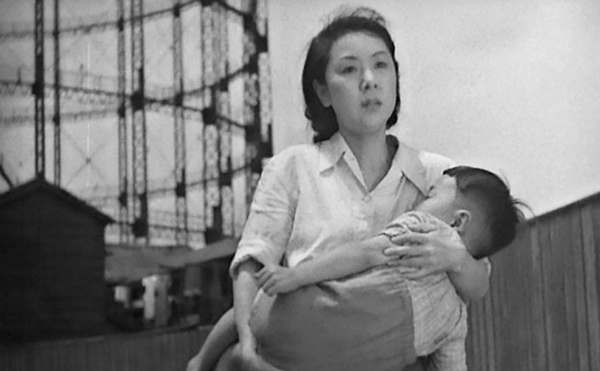
«Japanese Girls in the Port, ” Hiroshi Shimizu, 1933 | „Chicken in the Wind, ” Yasujiro Ozu, 1948
The female archetype in Japanese cinema from the 1930s to the 1950s can no longer be categorized as merely a figure of a submissive woman. These heroines work, step out into the public sphere, change their clothing, resist familial expectations, and strive to choose their own lives.
However, the old order remains visible within the frame itself: the home constricts the space, posture restrains the body, attire signifies the collision of the old and the new, and social roles dictate the acceptable script for life.
Therefore, the transition toward the modern heroine does not happen in a single moment. First, her appearance changes. Then, the space surrounding her shifts. Finally, her capacity to move and act expands.
Only then does the central question of this study arise: can a woman not only be depicted, but can she also define her own life and her own perspective?
Chapter 2. Kenji Midzoguchi
In Kenji Mizoguchi’s films, women cease to be secondary figures. It is their lives, choices, and suffering that become the center of the narrative. Beginning with «Osaka Elegy» and «Gion Sisters» (1936), the director consistently returns to women whose freedom is constrained by family, money, profession, and relationships with men.Yet, a contradiction emerges: the woman is at the center of the film, yet she is far from always able to control her own life.
The Woman Becomes Central
In «Osaka Elegy, ” the camera follows Ayako, a young working woman who tries to resolve her family’s financial troubles on her own. In „Gion Sisters, ” two women become the protagonists, representing different ways of surviving within a single system.Here, the woman is not a backdrop for a man’s story. We observe her—her work, her relationships, her humiliation, her resistance, and her attempts to change her circumstances.This principle becomes especially clear in „Life of Oharu, ” a film that literally follows one woman through various stages of her life. But even that does not mean she has the power to change anything.«Osaka Elegy, ” Kenji Midzoguti, 1936
Two Ways to Resist
This is especially evident in «The Gion Sisters.» Umekichi adheres to traditional rules and remains loyal to her patron. Her younger sister, Omoti, refuses to believe in the system and approaches her relationships with men in a far more pragmatic way.One woman tries to conform to the rules; the other uses them to her advantage. Yet, the film brings both to a similar outcome—neither traditional obedience nor individual rebellion grants true independence; both ultimately find themselves constrained by their profession and the structure of society. The problem, it turns out, lies not with the woman’s character, but with the system itself.The Female Sacrifice
One of the recurring motifs in Midzoguchi’s work is the woman who helps a man achieve success at the cost of her own life.In «Tale of the Late Chrysanthemum,» Otoku supports the young actor Kikunosuke, believing in his talent, and gradually sacrifices her own standing and well-being for his career.A similar structure repeats in other films—men’s desires, careers, money, status, and travels lead to consequences that women often have to endure.For instance, in «Fables of the Misty Moon After the Rain,» the men’s pursuit of wealth and glory destroys the lives of their wives.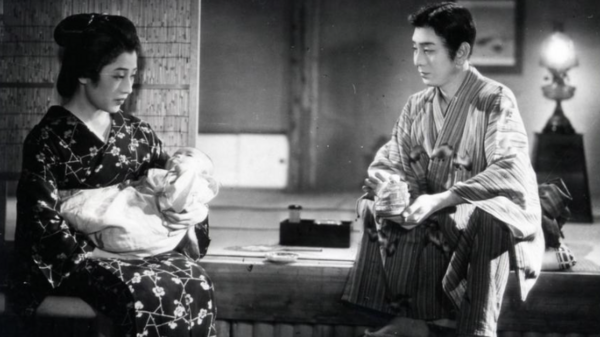
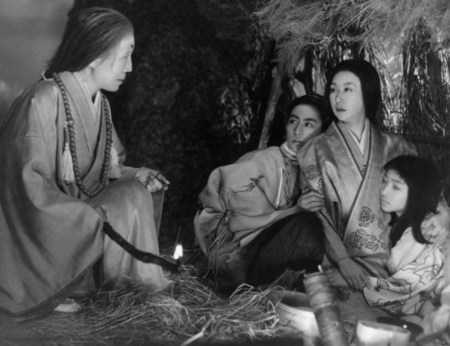
«Tale of a Late Chrysanthemum, ” Kenji Midzoguchi, 1939 | „Sanso Manager, ” Kenji Midzoguchi, 1954
The Camera Maintains Distance
It is also significant how Mizoguchi views his female protagonists. The director often avoids sustained close-ups. The camera remains at a distance, moves alongside the characters, and allows the viewer to see the woman simultaneously with the space that surrounds her.
A long shot connects the woman’s body to the interior, the street, or the landscape. This technique becomes particularly characteristic in «The Tale of the Late Chrysanthemum.» Long takes and smooth camera movement become one of the director’s core stylistic elements.
Therefore, we often see not just the face of a suffering heroine, but the woman within a system of relationships and space. She is small relative to the room, the street, the house, or the people around her.
«Fairy Tales of the Misty Moon After the Rain, ” Kenji Midzoguti, 1953
A Life Managed By Others
«Okaharu’s Life» expresses Mizoguchi’s central theme with particular precision. She begins life as a court lady, but after a relationship with a man of lower status, she is exiled. Subsequently, her situation is repeatedly defined by others: family, men, money, and social rules.
Her posture is especially evocative; she is often positioned low within the frame. The heroine sits, bows, or lies down. Even when the narrative belongs entirely to her, there is a visual sense of pressure from the surrounding space.
The camera follows Okaharu throughout her life, but the young woman gradually loses the ability to determine her own direction.
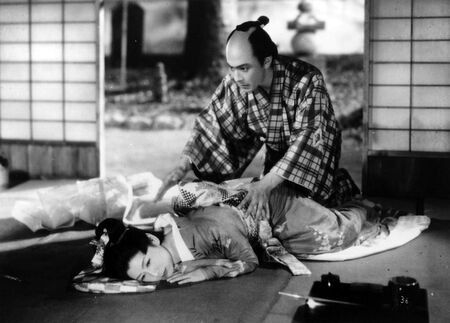
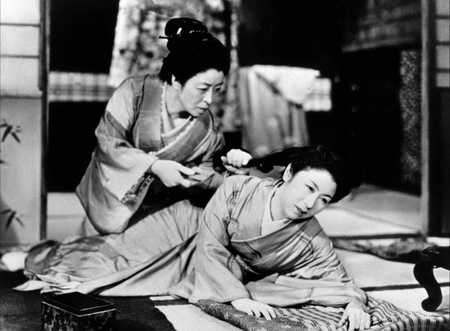
«Life of Oharu, ” Kenji Mizoguchi, 1952
The Modern Woman
However, the heroines of Mizoguchi are not always passive victims. Ayako in «Osaka Elegy» works as a telephone operator, Omoti in «Gion Sisters» rejects traditional rules of relationships with men, and the women of «Street of Shame» try to earn a living and survive in the modern world.
The outward appearance also changes. Kimonos coexist with dresses, coats, short haircuts, jewelry, and Western fashion.
This is particularly evident in «Street of Shame.» In a single space, completely different types of women exist. The film tells the story of five workers in a Tokyo brothel, showcasing diverse characters and survival strategies.
Women become visually more modern, but this does not yet make them free.
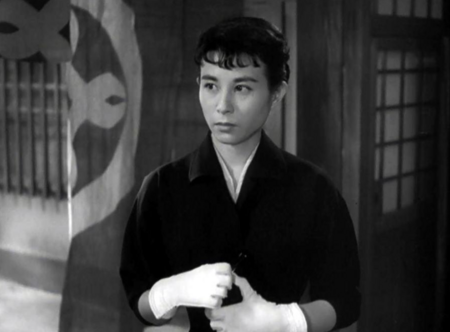
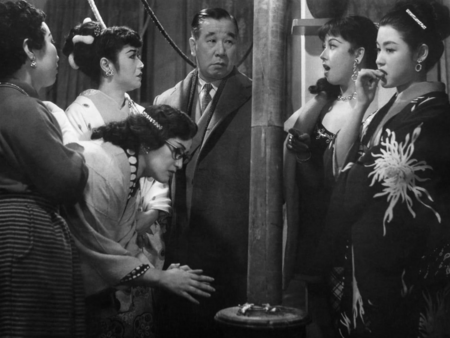
«Woman Who Is the Subject of Rumor, ” Kenji Midzoguchi, 1954 | „Street of Shame, ” Kenji Midzoguchi, 1956
From One Woman to Many
In late-period Midōguchi’s cinema, another significant shift occurs: instead of a single tragic heroine, a group of women emerges.
In Women of the Night, the director depicts post-war, devastated Osaka, where women are once again forced to find a way to survive.
And Street of Shame transforms the female issue into an almost collective portrait. Various women find themselves within the same economic system, making it particularly clear that the issue is not one of a single heroine’s personal mistake. Private tragedy becomes a social problem. This directly leads to post-war cinema and the next generation of directors.
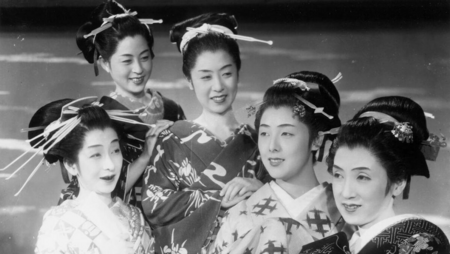
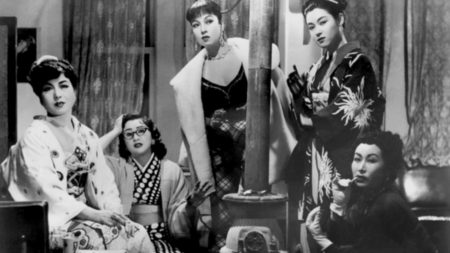
«Utamaro and His Five Women,» Kenji Midzoguti, 1946 | «Women of the Night,» Kenji Midzoguti, 1948
In Midoguchi, a woman becomes the central figure of the film. The camera follows her, revealing her everyday life and prompting the viewer to examine society through the consequences it imposes on her existence. Yet, the protagonist still exists within a system she cannot fully alter.
She resists, she chooses, she acts—but the repercussions of her choices continue to shape the surrounding world.
Therefore, Midoguchi serves as a crucial pivot point for this investigation: the woman is already a subject of history, but not yet the master of her own destiny.
Chapter 3. Kinyo Tanaka